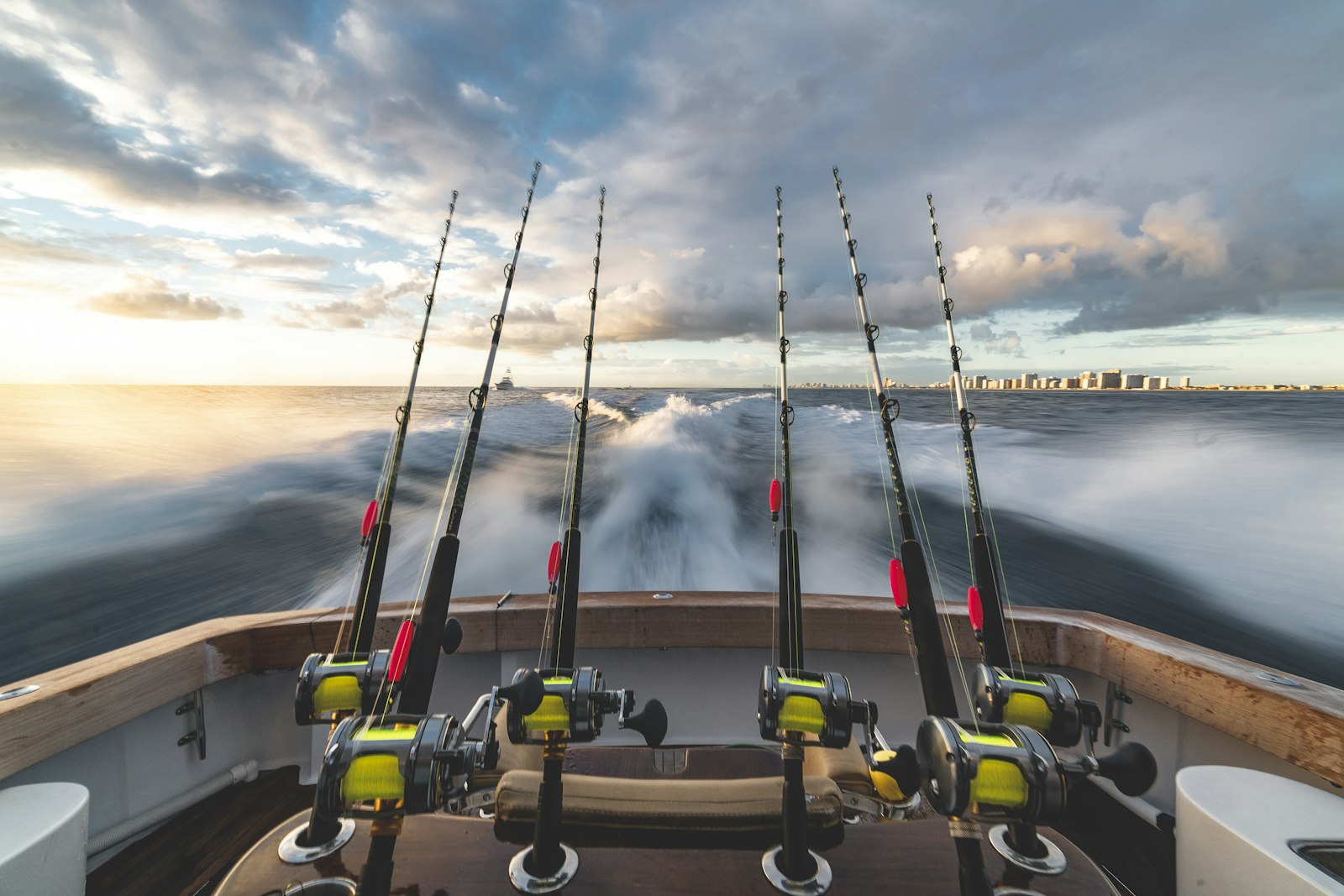
Sport Fishing in Cabo: The Boat I'd Book and What It Costs
By Cabo Wander
When a friend who doesn't really fish asks me whether they should do a fishing charter in Cabo, I ask them one thing back. Would you enjoy five hours on a boat if no marlin showed up? If the answer is yes, go, because it's a great morning. If it's no, save your money, because most days the marlin doesn't show up.
I'd book a half day, in the morning, on a 28 to 31 foot boat, directly with a fleet that has a name and an office. Then take the price they quote you and multiply it by about one and a half, because that's what the day really costs once the tax, licenses, bait, lunch, tip and fish cleaning are in.
It took me a while to see that people put all their effort into choosing the boat, and the boat matters less than you'd think. A 31 footer catches the same fish as a 40 footer. What decides how the day goes is the month, how rough the water is and how good the crew is. The bill comes down to a handful of small charges that aren't in the quote.
Fishing sits in the "if this is your thing" part of my list of things to do in Cabo, and I still think that's the right place for it. This post is for the people who are tempted anyway.
Who Should Do It, and Who Should Skip It
If you fish at home, this is your trip, and you don't need me to talk you into it. Book a full day on a 31 footer or bigger and go.
If you're curious and you've never done it, I'd say yes for a group of two to four adults who like being on the water. Do the half day. You get the harbor at dawn, the Arch with the sun coming up behind it, and a real chance of bringing dinner home. I think that's a good morning even on a slow day.
Families with kids from about six to fourteen do well on a half day close to shore, where the fish are smaller and there are a lot more of them. A kid who reels in six small fish has a better day than a kid who watches a lure for five hours. I wouldn't bring a toddler. Some fleets will take one, but it's five hours of sun, swell and hooks.
If killing fish bothers you, you can still go. Tell the crew "release everything" at the dock. They hear it all the time.
Here's who I'd talk out of it:
- The friend who's coming along to be nice. It's hours of slow trolling with an engine droning. They'll be happier on a sailboat at golden hour, and I compare those in my Cabo sunset cruise post.
- Anyone who only wants the marlin photo. A billfish is a bonus. If the day is a failure without one, the odds are against you.
- Anyone who gets seasick and isn't willing to take the medication. It's the most common way this day gets ruined, and nobody can refund it.
- A group of six that wants a party. Six people on a fishing boat means four fish and two watch. Book a bigger boat that's sold for cruising as well as fishing.
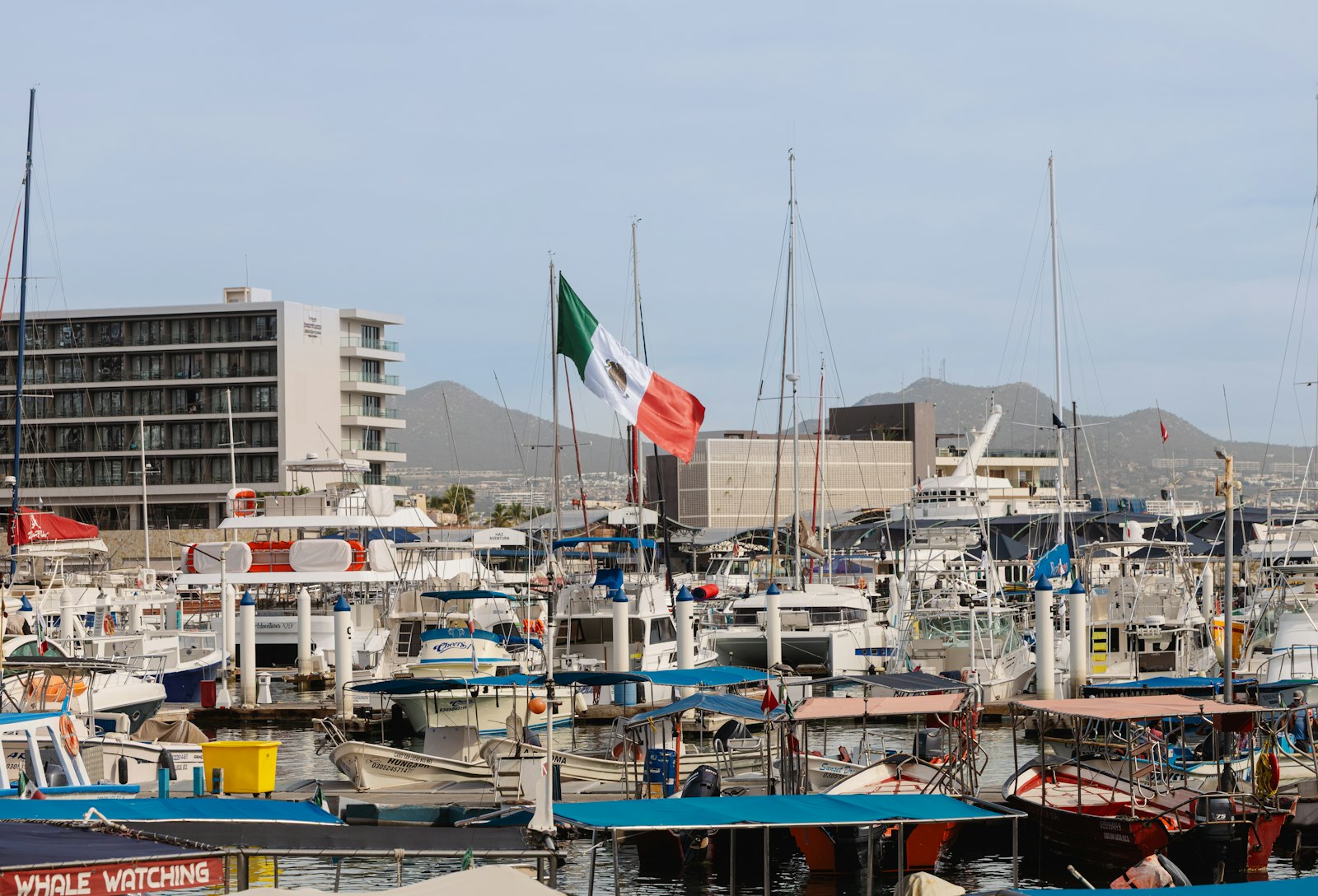
There are a few ways to get some of it without chartering a boat. You can watch the fleet come back to the marina in the early afternoon with their flags up, which is free. The marina restaurants that cook your catch also sell that day's fish, so you can have the dinner without the boat. And there are guides who take people surf fishing from the beach at dawn. I'd only do that with a guide, because the Pacific beaches where it's best are the ones with dangerous surf, which I cover in is Cabo safe.
Which Boat
My pick for a first-timer is a 28 to 31 foot cruiser, and you do NOT need anything bigger. These are the choices, with the boat prices before any extras.
- Panga, 22 to 27 feet: about US$250 to $420 for a half day
- Cruiser, 28 to 31 feet: about US$450 to $700 for a half day, and roughly US$750 to $1,350 for a full day
- Sportfisher, 32 to 42 feet: from about US$1,000 for a half day, and US$1,350 to $2,750 for a full day
- Big yacht, 45 feet and up: US$3,500 to $5,000
Those are per boat. You're chartering the whole thing, so the price is the same whether two of you go or four.
The 28 to 31 Foot Cruiser
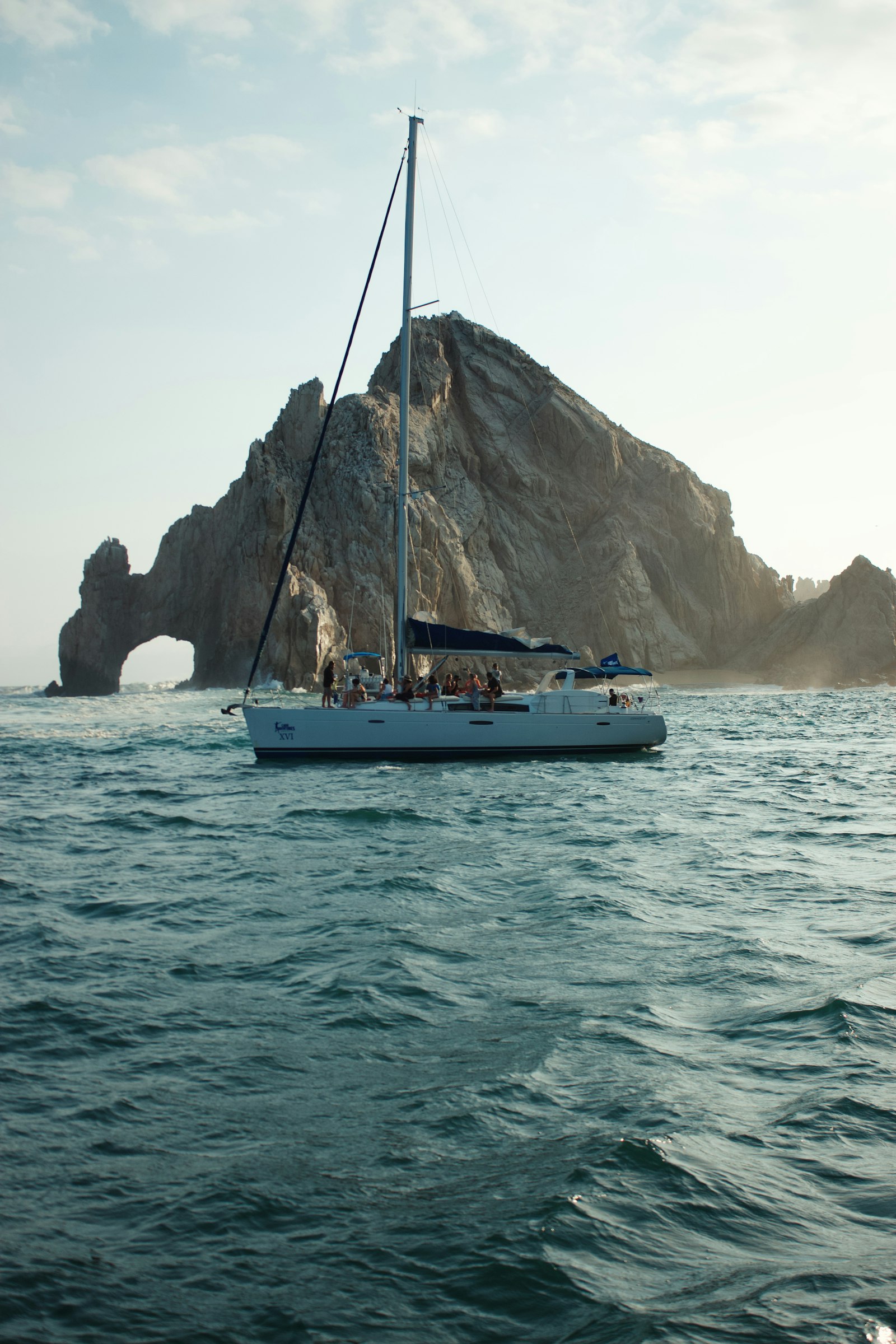
This is the one I'd put three or four first-timers on. It has a cabin, a covered cockpit and a real bathroom with a door. There's room for somebody to lie down if they turn green, and it can go offshore if that's where the fish are that week. Four people can fish from it comfortably. It's usually rated for five or six, and I'd ignore that number.
It still rolls when it's trolling sideways to the swell. It's a small boat on the ocean, so don't expect a smooth ride just because it has a cabin.
The Panga
A panga is an open boat with an outboard, and it's the cheapest real fishing in Cabo. I like it for two people on a calm morning, fishing close to shore. A 23 footer is right for two, and a 26 footer can take three. Don't put three adults on the small one.
What you give up is comfort. It's low, open and wet, and when there's swell it's a rough ride. Ask about shade and a bathroom before you book, because the smaller ones may not have a toilet at all.
If you're staying in San José, this is the boat for you. The pangas launch from La Playita, by the Puerto Los Cabos marina, and the offshore banks are much closer from there than they are from Cabo San Lucas. I talk about that corner of town in my San José del Cabo guide.
The Bigger Boats
A 35 to 40 footer is faster, drier and more comfortable, and it's the right call for six people or for a group that wants the boat as much as the fishing. The fish don't know what size boat you're on. I'd also check that the extras you're paying for work. On one bigger boat I was sold air conditioning that wasn't running on a 90 degree day, and a bathroom nobody wanted to use twice.
Half Day or Full Day?
Half day, which is about five hours. A full day is eight, and that's a long time to be sick or bored if it turns out fishing isn't your thing.
The one reason to book the full day is if the fish are far out that week. A half day stays fairly close to the harbor, and a full day can run a lot farther. The good fleets post a fish report every week, so read the latest one before you choose. If it says the boats are catching close in, the half day is plenty.
A Shared Boat
If you're on your own, some fleets will try to match you with other people to split a boat. Pisces runs a matching service like that. A match isn't guaranteed, and I can't give you a seat price I trust, so ask them for a quote.
What I'd Skip
The two or three hour "taster" trip. It sounds like the sensible way to try fishing, and it doesn't give the boat enough time to get to the fish. I've seen people come back from one without ever holding a rod.
How the Day Actually Goes
It starts early, and the early part is my favorite.
The night before. Get cash in small bills, because the bait, the licenses and the tip are all cash. Pack sandwiches and water unless you ordered lunch through the fleet. And skip the big night on the bar strip. A 6am boat is a hard place to have a hangover.
Before dawn. Take your seasickness tablet at the hotel, about 45 minutes before you board. Taking it on the dock is too late. Eat something plain. Line up your ride the night before, since you'll be heading to the marina in the dark, and I go through the options in getting around Cabo. This is also why people who fish like a marina hotel, where the boat is a walk away. Those are in where to stay in Cabo.
At the dock, a little after six. You check in at the fleet's office, where the licenses get checked or sold. Then you meet the captain and the mate. This is the moment to say what you want. Are you after a marlin, or dinner? Are you releasing everything, or keeping some? Who gets the first fish? Say it now, BEFORE the first fish comes aboard, because the default for anything good to eat is that it goes in the cooler.
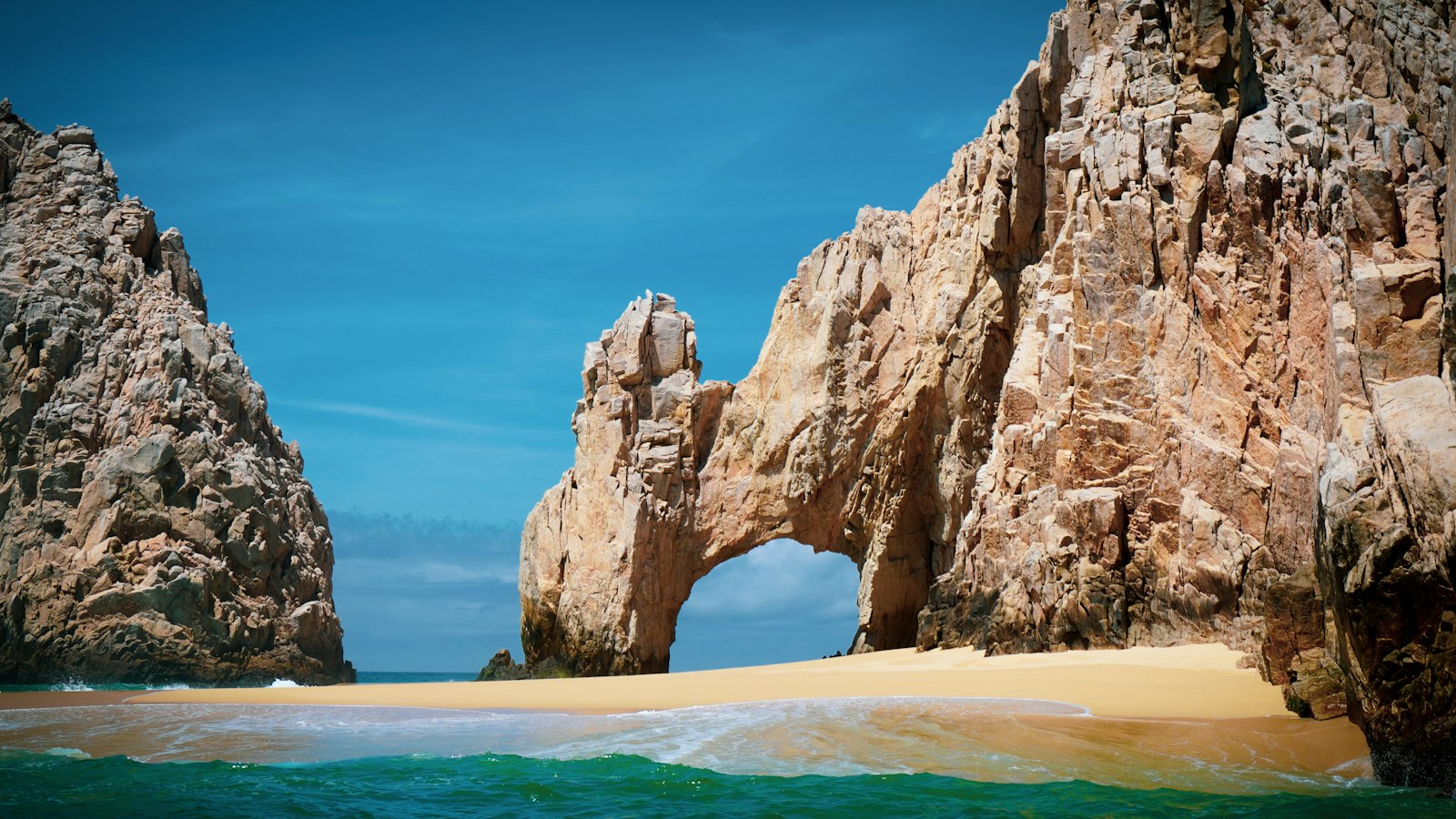
Leaving the harbor. The boat idles out through the marina, and near the harbor mouth there are small boats with tanks of live bait waiting. Your mate holds up some fingers, a net of live fish comes over the side, and twenty to forty dollars goes back the other way. Then you pass Pelican Rock and the Arch right as the sun comes up behind it. It's the best view of the Arch you'll get all week. If you want to get off at the beach another day, that's in my guide to El Arco and Lover's Beach.
The run out. Depending on the week, you either go around the point into the Pacific or east along the Corridor. The Pacific side has swell, and this is where you find out how your stomach is doing. The mate puts the lines out.
Trolling. This is most of the day. The boat moves at a steady, slow pace with the engine droning. The mate watches the water and the birds, and the captain talks to the other boats on the radio. There are long stretches where nothing happens, and people nap. In winter you'll often see whales on the way out. Your captain won't chase them, because a fishing boat has to keep its distance, so if whales are what you came for, book the trip in my post on whale watching in Cabo.
The strike. A reel starts screaming, the mate shouts, and somebody gets handed the rod. A dorado is about ten minutes of jumping and color. A good-sized tuna can be half an hour of hard pulling against something that only wants to go down. A marlin is jumps and then a long, heavy standoff, with the mate coaching you through every turn of the handle. At a good fleet, a marlin stays in the water next to the boat for the photo and then swims off.
If it's slow. A good crew changes the plan. They'll run to a flock of birds looking for tuna, drop live bait, or move in close to shore so nobody goes home with nothing. The crews I'd book work hard all day, and this is where you see it.
Heading in. On a half day the lines come in around noon. The ride back can be the bumpiest part, because the wind picks up in the afternoon. Before the harbor, the mate runs flags up the outrigger, one for each kind of fish you caught or released. Ask him which is which.
Back at the dock. There are photos with the fish, and the pelicans and sea lions show up right on time. A sea lion will take a fish out of your hands, so don't dangle one, and please don't feed or touch them. Then you tip the crew in cash and sort out what happens to the fish.
Plan on a quiet afternoon. You'll be sunburned and salty, and you won't want a dinner reservation that needs much from you... unless it's your own fish, which I'll get to.
What It Really Costs
My rule is to multiply the boat price by one and a half. Nothing in the extra half is hidden if you ask, but almost none of it is in the price you're quoted.
These are the lines that get added:
- Tax. Some fleets quote without the 16% sales tax. Pisces says so right on its rate page. Others don't say either way, so ask.
- Licenses. About US$20 a person a day, and everybody on the boat needs one, even the person who's just along for the ride.
- Live bait. Usually US$20 to $40 a boat, in cash, paid to the bait boat.
- A port fee. About US$15 a boat with some operators, and nothing with others.
- Food and drinks. Bring your own, or order a box lunch through the fleet for about US$15 a head.
- The tip. 15 to 20% of the boat price, in cash, to the captain or the mate.
- Cleaning and packing your fish. Anywhere from nothing to around US$90, depending on how much you keep and what you have done with it.
These are my own rough numbers for two typical days.
A panga half day for two, quoted at about US$300. Two licenses are about US$40. Bait is US$20 to $40. Lunch for two is US$20 to $45. The tip is US$45 to $60. Add tax if it wasn't in the price, which is close to US$50, plus maybe a port fee and something for cleaning the fish. That lands at about US$420 to $600, or US$210 to $300 each.
A 31 footer for a full day for four, quoted at about US$875. Four licenses are about US$80. Bait is US$30 to $50. Food and drinks for four run US$40 to $110. The tip is US$130 to $175, and it's the biggest extra on the list. Tax, where it's added, is another US$140. Then there's the fish. That lands at about US$1,200 to $1,550, or US$300 to $390 each.
For the half day on a cruiser that I'd put a first-timer on, the same math comes to roughly US$650 to $1,050 for the boat, all in.
The low end of those ranges is every line going your way and the high end is every line going against you, so a real day lands in the middle.
The tip surprises people. The mate works for tips, and that's meant literally. It's the biggest tip most people leave on a whole Cabo trip. I go through the rest of the tipping, and why it should be cash, in how much Cabo costs.
Some fleets sell an all-inclusive rate with the licenses, bait, lunch and drinks already in it. It's worth asking for that price too, so you can compare one total against another.
Is it worth it? For four people splitting a half day on a cruiser, you're at roughly US$165 to $260 each for a morning on a private boat with a crew of two. I think that's fair money if you'd enjoy the morning anyway. As a way to buy a marlin photo, it's a poor bet.
Bring small bills. The bait boat and the mate can't break a hundred.
What You'll Catch, and When
Most days, the boat catches something. On most of those days it's dorado, tuna or a mix of smaller fish from closer to shore. A marlin is a bonus, and plenty of good, well-run boats go a whole day without seeing one.
You've probably heard Cabo called the marlin capital of the world. That's a fair thing to say about the fishing here as a whole. It says very little about your odds on one boat on one morning.
A great day does happen. On the best ones I know of, a boat came back with a dozen yellowfin tuna and a released marlin. I've also had a long day that produced one fish, and I've been on a boat that went five hours without a bite while the crew tried everything they had. Some boats come back with nothing, even from the best fleets, and I'd go in knowing that.
As for when, I'm going to keep this broad, because the fishing calendars you'll find online flatly disagree with each other. Here's the part most of them agree on:
- The cooler months, roughly November to April: striped marlin. This is the marlin most visitors have a shot at. Close to shore, winter is good for sierra, which makes great ceviche.
- Summer into fall: dorado and tuna are at their strongest in the warm months.
- Fall, especially October: the big blue and black marlin, which is why the tournaments are held then.
For anything more specific than that, like wahoo or roosterfish, I've seen calendars that are half a year apart. So don't plan your dates around a chart. Read the fleet's own fish report for the last week or two before you book. It tells you what's being caught right now and how far out, and the honest ones say so when the week was slow.
September is the peak of storm season, and the port can close for days at a time. If that's when you're coming, book something refundable and put it early in your stay. The rest of the calendar is in the best time to visit Cabo.
The Rules, in Plain Terms
I'm going to give you these the way the fleets and captains explain them, and I'd ask your captain what you're allowed to keep that day.
- Everyone on a fishing boat needs a license, whether they fish or not. Some operators say kids under twelve don't need one, so ask when you book. The office sells them at the dock for cash.
- There's a daily limit on how many fish each person can keep. A few species count for a lot more against that limit than others.
- A marlin counts heavily against your limit. Keeping one is legal. The good fleets release every marlin and sailfish as a matter of policy, and Pisces is one of them.
- Selling your catch is illegal. Giving it away is fine.
Please don't kill a marlin for the picture. You get the photo with the fish in the water next to the boat, and it swims away afterward. If you keep it, you own a hundred pounds of fish you can't use.
What Happens to Your Fish
This is the part nobody plans for. A good day for four people produces more fish than four people can eat or fly home with. So decide what you want before the cleaning starts, and say it out loud to the crew.
You've got four real options.
Have a restaurant cook it that night. This is my favorite, and it's the easiest way to end the day well. A few restaurants on the marina will take your fillets and cook them several ways, with sides. Captain Tony's, right on the marina, is one. I've seen them turn a bag of dorado into four dishes for a table of eight, raw, blackened, in garlic butter and breaded, on about two hours' notice. Angler's Landing does it too, and will go from ceviche to tempura with the same fish. It was good, too. Fish that was swimming that morning is hard to beat. Call ahead, and ask what the cooking charge is per person. If you'd rather someone else catch dinner, my picks are in the best restaurants in Cabo.
Have it packed to take home. There are services near the marina that fillet, vacuum pack and freeze your catch and hold it until your flight, and some will smoke it. Your crew or the fleet's office will point you to the one they use. Ask the price before you hand the fish over, and keep your fishing license with you, because you may be asked for it.
Freeze it at your hotel. A lot of resorts will do this if you ask. Check before you keep anything, because the little fridge in your room won't.
Give it to the crew. This is normal and appreciated, and it's where most extra fish ends up. Just agree on the split before anyone starts filleting.
People do fly home with fish all the time, frozen solid in a cooler as checked baggage. Before you count on it, check your airline's rules on coolers and ice, and your own country's customs rules on bringing fish in.
How to Book It
Book directly with the fleet. You get to choose the boat and the crew by name, and when the port closes for weather, the person you emailed is the person who sorts it out.
Who I'd Book With
- Pisces Sportfishing, on the Cabo San Lucas marina, is where I'd look first. It publishes its rates by boat size, it tells you up front that tax is extra, and it releases every billfish. It runs everything from pangas to big yachts.
- Gordo Banks Pangas, at La Playita in San José, is the one for the San José side. Its rates and terms are all on its website, and its fish reports say so when the week was slow, which I really like. It's strict, and it's clear. You pay a small deposit and the rest in US cash on the morning, with no cards, and there's no ATM close by. If the boats can't launch because of weather, you get your money back or a new date.
- JC's Sportfishing, in Cabo San Lucas, publishes its full-day rates by boat size, which makes it easy to compare.
There are several other long-established fleets in town with good reputations. A lot of them don't post prices, so you'll need to email for a quote.
What to Ask Before You Pay
- Which boat is it, by name and length, and will it be that boat on the day?
- How many hours is it, dock to dock, and what time do we leave?
- Is the 16% tax in the price?
- Are licenses included? Is bait?
- Is there food and drink, or do we bring our own?
- Is there a port fee or any other charge?
- Is there a bathroom, and shade? Do you have life jackets in kids' sizes?
- Do you release billfish?
- How much is the deposit, and is the balance cash or card?
- What happens if the port is closed? What if it's just rough and I don't want to go?
That last one matters. When the port captain closes the harbor, nothing leaves, and a good operator refunds you or moves your date. The gray area is a rough day when the port is still open. The boat can go, you may not want to, and then your deposit terms apply. Get the deposit and cancellation terms in writing, because they're different at every fleet.
Where I Wouldn't Buy It
The hotel desk. It's the same boats with a markup. If you do use the concierge, ask which fleet and which boat, and then look up the fleet's own price.
A booking site. These are handy for reading about a boat. The risk is that the boat you booked isn't the boat you get. I've had a US$300 quote turn into US$355 at the dock. Every dollar of it was a real charge, for the license, the bait and a port fee, and nobody had mentioned any of it.
The man with the binder. He has photos of a fishing boat and a great price if you'll leave US$100 or $200 in cash today. In the morning there's either no boat or a different one. I describe everyone who'll stop you on the boardwalk in my Cabo San Lucas guide. If you want to book in person, walk into an office with a sign on it and pay the deposit by card.
The "free fishing trip". The friendly person who asks if you're here for fishing tomorrow is selling timeshares. What that trip costs you is in my post on the Cabo timeshare presentation.
When to Book
A few days ahead is fine in an ordinary week. From December to April, I'd give it a week or two if you want a specific boat, and book as early as you can for Christmas week. For late October and early November, book months ahead.
Put it early in your trip. If the port closes or the day is a dud, you'll have time to go again. And book the harbor in the town you're sleeping in, because going to the other one is a 40 minute ride each way before sunrise. I show where a boat morning fits with everything else in my 5-day Cabo itinerary.
Seasickness and Kids
If you've ever been seasick, plan on it happening here. Take your medication at the hotel, about 45 minutes before you board. Book a morning half day, when the water is flattest. Ask to fish the Sea of Cortez side if the fish are there, since the Pacific side has more swell. On the boat, sit in the middle and keep your eyes on the horizon. A cruiser gives you somewhere to lie down, and a panga doesn't.
With kids, I'd do a half day in the morning, close to shore, where there's a lot of action. Ask for life jackets in their sizes when you book. Bring more snacks and water than you think you need.
And for everybody, there's no shade in the fishing chair. Wear long sleeves, a hat with a strap and polarized sunglasses. In winter it's cool at dawn, so bring a layer for the ride out.
The October Tournaments
In the second half of October, Cabo San Lucas hosts the big marlin tournaments back to back, and the marina fills up. The best boats and crews are chartered by tournament teams for the whole week. You can still get a regular charter. You'll just be choosing from what's left, boats are harder to get, and rooms near the marina book up first and cost more.
If you want to fish in those weeks, book months ahead.
If you don't fish at all, this is my favorite time to be on the boardwalk. The weigh-ins are on the marina, in front of the Puerto Paraíso mall, in the afternoons, and they're free to watch. Some days no big fish comes to the scale at all, so go for the crowd and the boats coming in. It's a lot of fun either way.
The Verdict
Go if the boat ride is enough for you. Skip it if only a marlin will do.
Cabo has earned its fishing reputation, and for somebody who fishes, it's the trip. For a curious first-timer it's a good morning when you book it right, and an expensive, queasy eight hours when you book it wrong.
Here's who I'd send where:
- Curious first-timers, three or four of you: a half day on a 28 to 31 foot cruiser, in the morning, booked direct, early in the trip.
- A couple on a budget: a panga half day on a calm morning. From La Playita if you're staying in San José.
- Families with kids six and up: a half day close to shore.
- People who fish: a full day on a 31 footer or bigger, booked well ahead for fall.
- Solo travelers: ask a fleet about sharing a boat.
- The friend who doesn't fish: a sunset sail, and meet everybody for the fish dinner afterward.
I'd do it again. I'd pick the half day, I'd take the tablet at the hotel, and I'd count the marlin as a bonus... and I'd book the table for our own fish that night.
Half day, morning, 28 to 31 foot boat, booked straight with the fleet. Multiply the quote by one and a half. Ask if tax, licenses and bait are in. Cash in small bills. Seasick pill before you leave the hotel. Tell the crew what you're keeping before the first fish. Skip the binder guy. Have a marina restaurant cook your catch.
Quick Answers
How much does a fishing charter in Cabo cost? A panga half day is about US$250 to $420 for the boat, and a 28 to 31 foot cruiser is about US$450 to $700 for a half day. Multiply by about one and a half for the real total once tax, licenses, bait, food, the tip and fish cleaning are in.
Is the fishing license included? Usually not. It's about US$20 a person a day, and everyone on the boat needs one. Some operators say kids under twelve don't, so ask when you book.
Will I catch a marlin? Maybe, and I wouldn't count on it. Most days produce dorado, tuna or smaller fish from closer to shore, and some boats come back with nothing.
Can I keep the fish, and can I take it home? Yes, within a daily limit, so ask your captain what you can keep. People fly home with frozen fish in a cooler all the time. Check your airline's rules and your country's customs rules first.
How much do I tip a fishing crew in Cabo? 15 to 20% of the boat price, in cash, to the captain or the mate.