Is Cabo Safe? What I'd Actually Worry About
By Cabo Wander
When a friend tells me they're nervous about Cabo, the question is almost always about cartels. So I'll answer that one first. Yes, I think Cabo is a safe place to take a vacation, and I keep going back. Organized-crime violence is real in this state. It almost always happens well away from the places a visitor goes, and the risk to you is low. It isn't zero, and I'm not going to tell you it is.
The things that hurt visitors here, or cost them money, are the ocean, the sun, alcohol, the road, rented machines and being overcharged. Violent crime sits near the bottom of that list by how likely it is to touch your trip, and near the top by how much it scares people. The serious one on the list is the ocean, and that's the section I'd most like you to read.
So I've put everything in the order it's likely to affect you, starting with the near-certain and ending with the rare. That order is different from the order of how bad each thing is. My rule is to pay attention in the first order and buy insurance for the second.
I can't give you rates for most of this, because nobody publishes a count of crimes against visitors here, or of drownings, or of tour injuries. Where I say something is rare or common, that's my read, and where I don't know, I'll tell you.
Getting Overcharged
This is the one that's close to certain to be tried on you at least once. It costs money and sometimes a morning, and that's all it costs.
I think of it as the most predictable part of the trip, because it's built into how the airport, the taxis, the bar strip and the rental counters work. That also makes it the easiest thing on this list to defend against. Here are the ones I'd know before you land:
- The rooms after customs at the airport. Friendly people in official-looking shirts ask who your transportation is with. They sell timeshares. Your real driver is outside, so keep walking. My Cabo airport guide takes you through it door by door.
- The "Tourist Information" lanyards on the marina. It's the same business. The free or half-price tour is a voucher you collect after a sales pitch that runs three to four hours, and sometimes a lot longer, and I do the math on that trade in my post on the Cabo timeshare presentation.
- Taxi fares. There are no meters. Agree on the price before you get in, and ask if it's for everyone in the car. Uber runs about half. The fares I'd expect are in getting around Cabo.
- Bar tabs. Rounds nobody ordered, a bottle that costs more than it was quoted at, and a total in dollars when the menu was in pesos all happen at the busiest places in town. I pay round by round, ask the price of anything offered from a tray, and read the check. The full routine is in my Cabo San Lucas guide.
- Dollar pricing. I ask to pay in pesos, and I say no when a card terminal offers to charge me in my home currency. I also look for a service line on the check before I tip.
- Rental car quotes. A very low daily rate leaves out the liability insurance the law requires, and it gets added at the counter.
- Boat prices on the dock. The first quote is often double or triple the fair one. Agree on the price, pay half, and take a picture of the boat's name.
- The man with the binder. A cash deposit for a cheap fishing charter, handed to someone on the boardwalk, is the one I'd never do. Book from an office.
It helps to know that the licensed beach vendors dress all in white and wear an ID badge. The people whose pitch costs you a morning are the ones in polo shirts.
None of this is threatening. Everyone is polite, and "no, gracias" said once, without slowing down, works.
Sun, Heat and Drinking
A sunburn or a lost day after too many pool drinks is the next most likely thing, and almost everybody gets some version of one.
The sun here is strong in every month. Winter catches people out the most, because it's 80 degrees with a breeze, you feel cool on a boat, and you're burned by lunch. From July through September it's the mid 90s and humid, and the nights don't cool off much.
Drinking by a pool in the middle of the day is the usual way people end up with heat exhaustion. What I do is pretty boring. I drink water between drinks, I get out of the sun in the middle of the day in summer, and I do anything on foot early. The guided hike up Mt Solmar moves to a dawn start in the hot months for this reason.
I also don't swim in the ocean after an afternoon at the swim-up bar. That combination is behind a lot of the trouble in the next two sections.
Watching Your Drink
I can't tell you how often drink spiking or bad alcohol happens in Cabo, because nobody counts it. It's reported in Mexican resort towns in general, and I haven't seen anything that pins it on Cabo in particular. My guess is that strong all-inclusive pours, heat and not enough water explain far more bad nights than anything put in a glass.
So these are precautions, the same ones I'd take in any bar town:
- Watch your drink being poured, and order a sealed beer if you're not sure about a place.
- Don't take a shot from someone walking around with a tray.
- Don't leave a glass on the bar and come back to it.
- Go home with the people you came with.
And if a friend is far more out of it than what they drank explains, treat it as a medical emergency. Don't put them to bed to sleep it off.
Your Stomach, the Water and Mosquitoes
A bad stomach is common on any trip to Mexico, and Cabo is no exception. It usually costs a day or two. I don't have a rate for you, and I don't trust the ones I've seen.
Don't drink the tap water. That's the standard advice for all of Mexico, and it holds at nice resorts too. Their water is treated, and still nobody official says to drink it from the tap. What hotels, restaurants and bars serve you is bottled or purified, and I drink that without thinking about it.
A few things people ask me:
- Ice. At established restaurants and hotels it's made from purified water, and I've never avoided it. The old advice to refuse all ice is out of date.
- Brushing your teeth. Resort tap water is generally considered fine for that if you spit. If you're cautious, use the bottle.
- The coffee maker in your room. It doesn't get water hot enough for long enough to make tap water safe, so I fill it from the bottle.
Tap water usually isn't what gets people, though. Food handling is, and a buffet that's been sitting out is a likelier culprit than a taco stand. My rule for street food is a busy stand where the food is cooked in front of me and the salsas aren't sitting warm in the sun. Where I am more careful is raw seafood, which carries the same risk here as raw shellfish does anywhere.
I pack rehydration salts and an anti-diarrhea medicine like loperamide. If you forget, the big national pharmacy chains sell both, and a lot of them have a doctor's office next door where a visit costs a few dollars.
Mosquitoes are a smaller item, and one most people don't expect in a desert. Dengue shows up here in some years. It's worse in late summer and fall, after the rains, and it's mostly a problem in residential neighborhoods with standing water. Resorts fog their grounds, so the risk on a week at a hotel is low. I still use repellent with DEET or picaridin at dawn and dusk from about August to November.
The Ocean
This is the serious one. The ocean is the leading cause of visitor deaths and rescues in Los Cabos. Your own odds on any given day are low, and it's still the thing on this list I'd take most seriously.
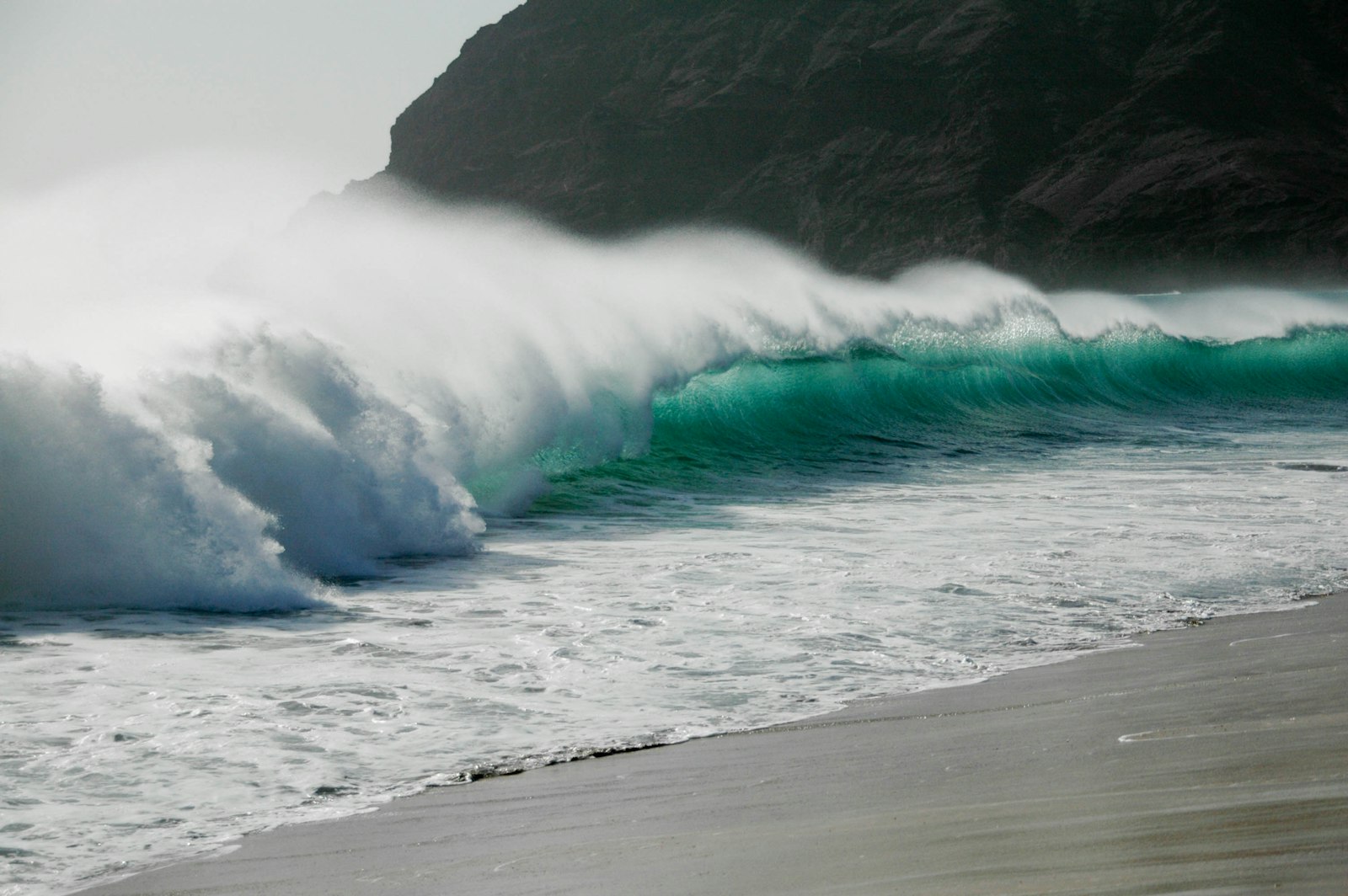
It catches people because around the cape, deep water comes very close to shore. The beaches are steep, the waves break hard right on the sand, and then the water pulls back just as hard. That happens on sunny days with no wind. Every so often a set comes in much bigger than the ones before it, with no warning, and it reaches people who were only walking along the edge. A lot of the people who get into trouble here weren't swimming.
So most beaches in Cabo are for looking at. That's a plain fact about this coast, and it includes the whole Pacific side, the long hotel beach in San José and most of the resort beaches along the highway.
What I do:
- I read the flag every morning, and again after lunch. Green means swim. Yellow means be careful. Red means don't go in. Black means the beach is closed.
- Under a red or black flag, I stay off the wet sand too. The wet sand is where a wave reaches you.
- On any Pacific-side beach, I stay up on the dry sand. I don't wade in to my knees for a photo.
- I swim where there's a lifeguard and a rope, and I swim in the morning, when it's calmest.
- At Médano, I stay inside the buoys. The hazard there is boats and jet skis, and my Médano Beach guide shows which stretch has the least of both.
A blue flag certificate on a sign, by the way, is about water quality and how the beach is run. It says nothing about whether it's safe to swim.
The beaches where the answer is usually yes are ranked in the best swimmable beaches in Cabo. And if you haven't booked yet, ask any "beachfront" hotel what color its flag is on most days. I list the hotels that sit on water you can get into in where to stay in Cabo. If you or your kids aren't strong swimmers, this is the one decision in the whole post that I'd let pick your hotel.
From February to April the water is at its coldest, around 71°F, and cold water tires you faster than you expect. The swimmers who get into trouble are often older, and often in cold or rough water. In summer and early fall there can be jellyfish, and a separate flag goes up for those. Rocky entries can have sea urchins, so I don't stand in rocky shallows. And when I wade into warm, sandy shallows I shuffle my feet, which is the standard advice for stingrays in Mexico.
Boats
The riskiest moment on most boat trips is getting on and off. That goes double at Lover's Beach, where you step off the bow into the water, and from the sand at Médano when there are waves. If the boat is bucking, I stay on it. The whole landing is described in my guide to El Arco and Lover's Beach, along with why you swim on the bay side only out there.
Life jackets are handed out on every boat I've taken. Whether anyone makes you keep it on varies, so I keep mine on, including for the photo.
Boat trouble here tends to come in swell, on days when the beaches are already flagged. The port authority closes the harbor to small boats when it's rough, and I've come to appreciate that. The more ordinary boat problem is seasickness, especially on the small, bouncy whale boats, and I compare those with the steadier catamarans in my post on whale watching in Cabo.
Storm Season
For about ten months of the year, storms aren't something you need to think about. The storms that reach Cabo come between the last days of August and the third week of October, and September has more of them than every other month put together.
What usually happens is disruption. A storm passes far out at sea, the port closes, every boat trip is canceled at once, and the beaches go to black flags for days under a sunny sky. A direct hit is much rarer. When one does come close, the airport typically closes for about a day. Once in recent memory a hurricane hit head on and it was weeks before flights were back to normal. The weeks to watch and how I'd book around them are in my post on Cabo hurricane season.
The part of a storm that kills people here is water on the ground. The rain comes in a few big dumps, and the dry riverbeds that cross both towns and every highway turn into rivers. Never drive or walk into one that's running.
If you're in a hotel when a storm comes, do what the hotel tells you. They have a plan and a generator, and the authorities here close beaches and the port early and enforce it.
If you're booking for September, buy travel insurance when you book, because no new policy will cover a storm once it has a name. I'd also book a rate you can change. Month by month, it's all in the best time to visit Cabo.
Small earthquakes are felt here now and then. I'm not aware of one doing real damage in recent years, and I haven't looked into it closely enough to tell you more than that.
Jet Skis, ATVs and Other Rented Machines
If you rent a machine you don't normally drive, this is where your risk goes up. People have been killed on rented jet skis in this bay, and people get badly hurt on ATVs. Nobody publishes numbers for either, so I can only tell you how it tends to happen.
With jet skis, it's renters with no experience in a bay full of boats and swimmers. If someone in your group wants a turn, I'd do it in the morning when the water is flat and the bay is less crowded, stay well away from the swim areas and the boat lanes, and treat it like a vehicle. As far as I've been told, rented skis aren't allowed out to the Arch or onto the Pacific side, and I wouldn't want to be on one there anyway.
With ATVs, it's rollovers. The sit-on kind tips, and broken bones are the usual result. If your group really wants to go, book the side-by-side UTV with a roll cage and seat belts. The tequila tasting comes at the end of these tours for a good reason, and I'd keep it that way. I go through the tours and the fees at check-in in Cabo ATV and camel tours.
The tip that matters most is about the "insurance" you pay for at an ATV check-in desk. It covers damage to the machine. As far as I can tell it doesn't cover your medical bills, so ask, and assume the only medical cover you have is your own travel policy. Then check that your policy doesn't exclude motorized sports, because a lot of them do.
For parasailing, horseback rides and ziplines, I don't have anything to tell you either way. I haven't come across reports of people being hurt, and that isn't the same as knowing they're safe.
Who you book with matters for all of it. I book boats from an office or a named operator, and anything with an engine from a company with a fixed base. A boat that turns out to be different from the one you were shown has no insurance you can rely on. My picks, and the ones I skip, are in things to do in Cabo.
On the Road
As a passenger, your risk is low. I use taxis and Uber here without a second thought about safety, at any hour. The risk in a taxi is the fare, and the catch with Uber is the places it isn't allowed to pick you up.
The road gets more serious in four situations.
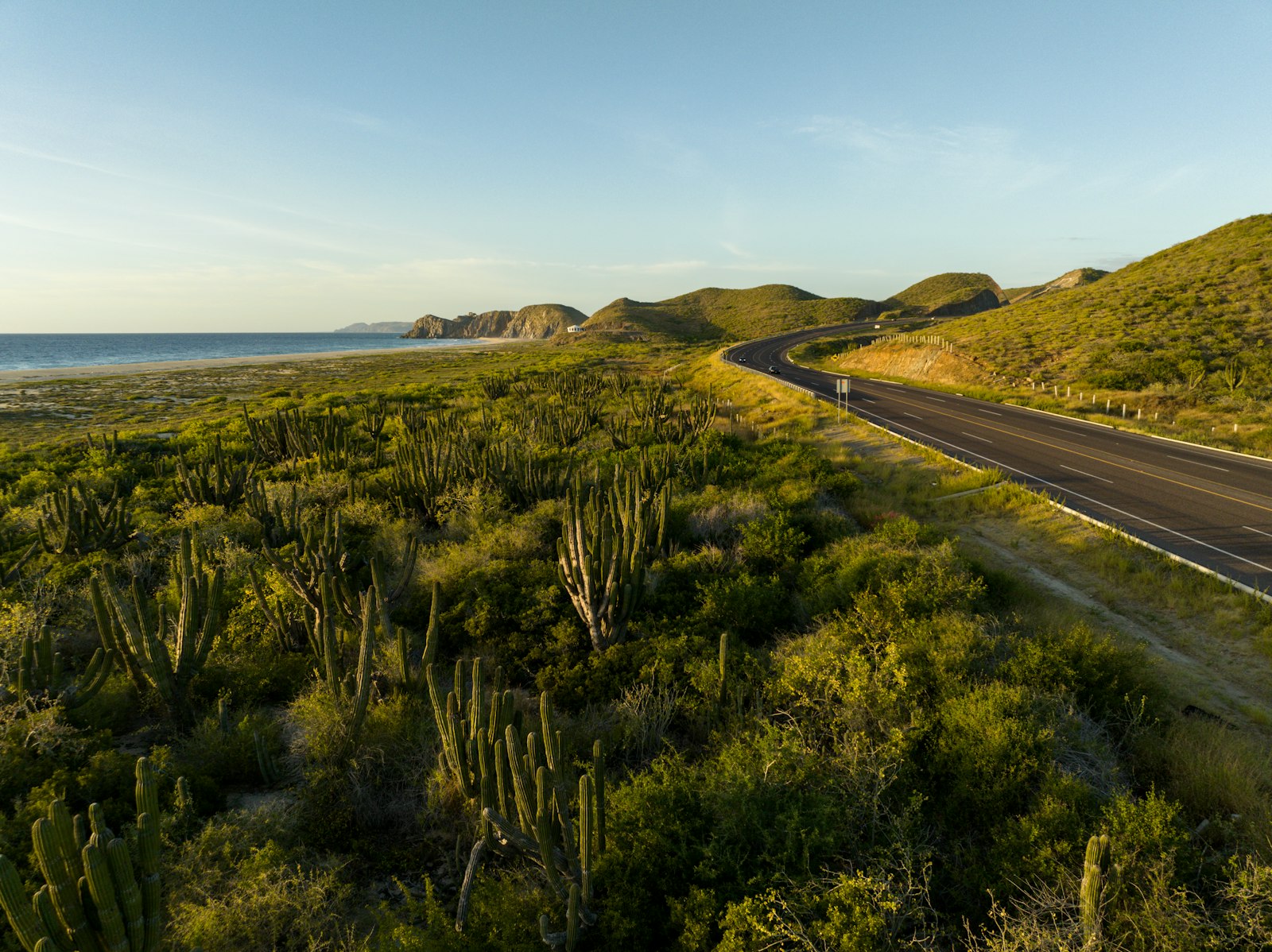
On foot along the highway. The road between the two towns is four lanes of fast traffic with a narrow shoulder and no sidewalk. I never walk along it or cross it, and I only use a bus stop that has an underpass or an overpass. I don't wait on the shoulder after dark for anything. Where the safe crossings are is in my Tourist Corridor guide.
Driving after drinks. Drunk driving on the highway between the towns is a real problem on weekend nights. There are breathalyzer checkpoints in high season, the limits are stricter than a lot of visitors expect, and alcohol typically voids every layer of your rental insurance. If you're driving to dinner, one of you isn't drinking. Otherwise it's a taxi night.
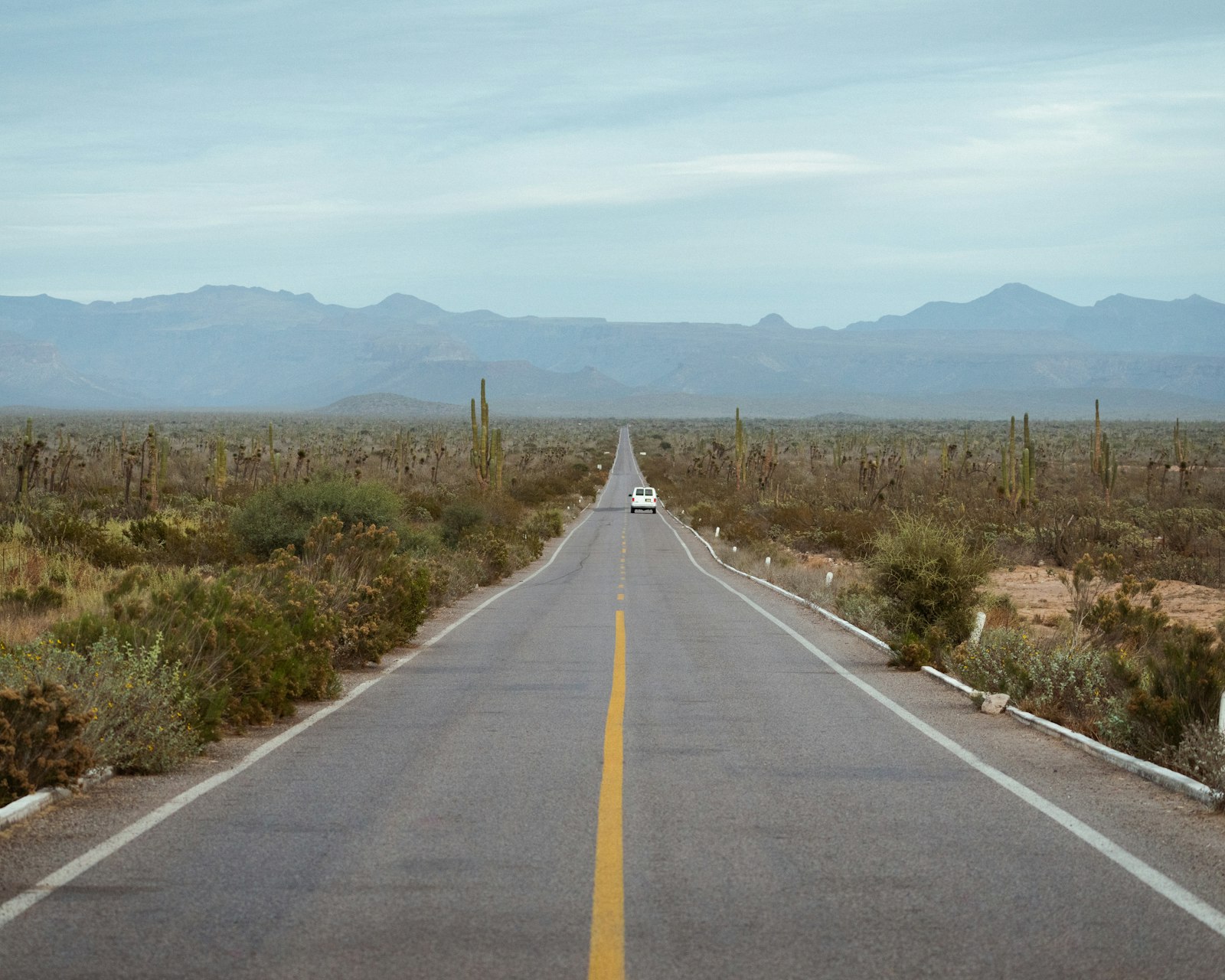
Driving outside town at night. Cows and horses wander onto the rural highways after dark. The reason I don't drive those roads at night is livestock, and it has nothing to do with crime. I plan every day trip so I'm back before sunset.
With small kids. Taxis and Ubers don't carry car seats. The private transfer companies bring one free if you ask when you book.
Everything about the counter, the insurance and the driving itself is in renting a car in Cabo.
Hospitals, and Why You Want Travel Medical Insurance
Buy travel medical insurance with evacuation cover for this trip. Of everything in this post, this is the piece of advice I'd repeat.
The private hospitals in both towns are good. They handle emergencies competently and the staff speak English. They're also expensive, and they work differently from what most visitors are used to. Payment is due before you leave the building, often before or during treatment, and the desk will very likely not accept your insurance from home. If you're on US Medicare, it doesn't pay in Mexico at all.
There's also a documented pattern here of very large upfront deposits and billing disputes. It has been serious enough that the US consulate warned its citizens about it. I'm telling you that so you'll be prepared, and I don't want it to put you off getting care. This is how an ordinary vacation accident turns into a financial one, and a policy is what prevents it.
Here's what I do, and what I'd do if something happened:
- I buy a policy with medical and evacuation cover, and I check it against anything motorized I'm planning.
- I keep the insurer's 24-hour assistance number in my phone and on paper.
- In an emergency, I'd dial 911. Save your hotel's front desk number too, because they'll get help faster than you will.
- I'd call the insurer first, before agreeing to anything that isn't urgent, and ask them which hospital to go to.
- I'd tell the ambulance or taxi driver which hospital I want. There are reports of drivers steering patients to the hospital that pays them.
- I'd expect to be asked for a card, ask for an itemized bill, and hand over a copy of my passport and keep the original.
Before you travel, look up your own country's consulate or consular agency in Los Cabos and save the number. The US and Canada each have a small agency here, and neither is a full consulate. They can help with a lost passport, contact your family and give you lists of doctors and lawyers. They can't pay a hospital bill or get anyone out of jail.
Theft and Card Fraud
Ordinary theft isn't a big part of what goes wrong here, as far as I can tell. I can't point you to any numbers on it, so I just do what I'd do in any busy resort town. I use the room safe, I don't leave a bag alone on the sand while I swim, and I never leave anything in sight in a parked rental car.
Card fraud is the one that's documented, so that's where I put my effort.
- Gas stations. Don't hand your card through the car window. The worst story I know from here is a card that went out of sight at a station near the airport and came back with a large second charge on it. I get out, check the pump reads zero, and pay cash in pesos.
- Restaurants and bars. The terminal comes to the table, and my card stays in my hand.
- ATMs. I use a machine inside a bank or a mall, in daylight, and I decline the conversion rate the machine offers.
- Afterward. I check my card statement for a month after I get home.
More on ATMs, checks and tipping is in how much Cabo costs.
There's one scam that reaches you in your hotel room. Callers find guests through their own vacation posts, phone the hotel, ask for them by name, and then try to frighten them into sending money. If you get a call in your room that scares you, hang up and call the front desk yourself. I also wait until I'm home to post where I stayed.
Drugs and Pharmacies
If you don't buy drugs or pills here, this risk is zero. If you do, it's the most dangerous thing in this post after the ocean.
Possession of illegal drugs is against the law for visitors in Mexico, and I wouldn't assume a small amount of anything is okay. Now and then, after dark around the marina and the clubs, someone will quietly offer you something. "No, gracias" ends it.
The specific danger is counterfeit pills. You'll see pharmacies on nearly every block in the tourist areas, with signs listing what they sell. There is documented reporting from Mexican tourist towns, including Los Cabos, of pills sold over the counter at pharmacies like these that turned out, in independent testing, to contain fentanyl and methamphetamine. That included pills sold as ordinary painkillers. One pill like that can kill you. The same goes for a pill or anything else offered by a stranger in a club.
So my advice is plain:
- Don't buy controlled medication here. That means painkillers, anti-anxiety pills, ADHD medication or anything else that would need a prescription at home.
- Never buy pills loose.
- Bring your own prescriptions, enough for the whole trip, in their original bottles.
- For ordinary things in a sealed, branded box, like sunscreen or rehydration salts, use one of the big national chains.
Crime and the Cartel Question
Organized-crime violence exists in Baja California Sur. It rises and falls from year to year. There was a very bad stretch some years back, then calmer years, and it has moved up and down since. So when one person tells you Cabo has been calm for ages and another tells you it's getting worse, each of them has part of the picture.
What matters more than how much there is in a given year is where it happens. It's concentrated in working neighborhoods inland of both towns, and in other parts of the state that visitors have no reason to be in. Visitors are very rarely the target.
I say very rarely and I won't say never, because on rare occasions bystanders have been hurt, including on a main road. So the risk to you is low, and it isn't zero.
I also can't give you a rate, because nobody counts crimes against visitors here. I'd be cautious about anyone who quotes you one, in either direction.
What That Changes About Your Trip
Very little. The places a visitor has reason to be are the marina, Médano, the downtown blocks behind it, the Corridor resorts and coves, and San José's old town, hotel zone and marina. I stay in those, which is no hardship, since that's where everything is. I don't go wandering into residential neighborhoods inland, and there's nothing in them for a visitor anyway.
At night, I walk where the people are. In Cabo San Lucas that's the boardwalk, the main street between the mall and the clubs, and the blocks around the bars. They're busy and lit until closing, and what makes them comfortable is the crowd. In San José, an evening on foot around the plaza and the gallery streets is the normal thing to do, and my San José del Cabo guide has the layout.
I take a ride anywhere that's empty after dark:
- The sand at the east end of Médano
- The roads up into Pedregal
- Residential blocks more than three or four streets back from the marina
- The road between San José's hotel zone and its plaza
- Any highway shoulder
Then, before you fly, check the current picture yourself. Your own government's travel advisory page is the place to do that, and I explain how to read it further down.
Police
You'll see different uniforms here: local police in town, the National Guard on the highways and at the airport, and the navy, which handles rescues at sea. For most visitors, that's the whole extent of it.
The thing to know about is that officers asking drivers for cash is reported here. The accounts I know of involve people in cars, so if you never drive, I wouldn't spend time on it.
If you're pulled over:
- Pull over somewhere lit, and stay calm and polite, even if you think you're in the right.
- Show your license and the rental papers. You can ask what the stop is for with "¿Cuál es el motivo?"
- Don't offer money. Offering a bribe is illegal too.
- Ask for the written ticket, and pay it at the station.
- Hand over a copy of your passport and keep the original.
If you're the victim of a crime, get a written report from the police or the state prosecutor's office, because your insurer will want it, and call your consulate.
Solo Women, LGBTQ+ Travelers and Families
Solo women. Nothing I know of singles Cabo out as worse than any other big resort town, and nobody publishes numbers that would settle it either way. The places I'd be careful are the same ones from earlier in this post: your drink, the ride home at 2am, and the dark, empty stretches. For the late ride I use Uber, requested from the street and not from the taxi line, and I check the plate and the driver's photo before I get in. If you take a taxi, agree on the fare through the window first.
LGBTQ+ travelers. Same-sex marriage is legal throughout Mexico. Los Cabos markets itself to LGBTQ+ visitors and holds a Pride event in June. From everything I've seen and read, same-sex couples go unremarked at the resorts and beach clubs. There's no separate gay nightlife scene to speak of. Government advice about Mexico as a whole is more cautious than that, particularly for transgender travelers, though it isn't written about Cabo. I haven't come across a report of a visitor being harassed here, and I'd be overstating it if I told you I had solid information beyond that.
Families with small kids. The ocean comes first. Palmilla, La Playita and the middle of Médano are the gentle beaches, and no hotel beach in San José or on most of the Corridor is for children. After that it's car seats, which you arrange with your transfer company before you fly, then sun and water. I'd also keep toddlers off the small, bouncy whale boats and off the wet landing at Lover's Beach unless the bay is flat.
What the Government Advisories Say
Read your own government's advisory, and read it twice: the week you book and the week you fly. Advisories change without notice, so it's more useful to know how to read one than what yours says today.
As I write this, the US advisory for Mexico has kept Baja California Sur in its "exercise increased caution" tier. That's the same tier it uses for much of Europe. I wouldn't lean on that comparison too hard, because the reasons behind a rating aren't the same from place to place. What it does tell you is that Cabo is treated as a destination for ordinary good sense. Canada and the UK don't single the state out for extra warnings, which they do for a number of other Mexican states.
Three things help when you read one:
- Find the line for the state. Mexico's advisories are written state by state, and the country-wide language at the top isn't about Cabo.
- Check which Baja. Baja California and Baja California Sur are two different states. The northern one, with Tijuana, is about a thousand miles up the peninsula. A lot of alarming "Baja" headlines are about that one.
- Know that an alert and an advisory level are separate things. Governments sometimes send short-term alerts about a specific place without changing the level. If one is in effect when you travel, read exactly where it applies.
The Verdict
I'd tell a nervous friend to come. Cabo is a safe vacation in the way a ski trip is a safe vacation. The whole place is set up to get you home in one piece, and the people who get hurt mostly get hurt by the setting, by drinking, or by a machine they don't usually drive.
I wouldn't promise you nothing bad ever happens here, because it does, and you could check that in ten seconds. What I'd promise is that the things most likely to go wrong are the dull ones, and nearly all of them are in your hands. Read the flag. Drink water. Buy the insurance. Agree on the fare. Don't buy pills.
There are three people I'd ask to think twice. If you're not a strong swimmer and you've booked an "oceanfront" hotel, find out whether you can swim at its beach before you go. If you were planning to buy prescription medication here, please don't. And if you're booking September with no flexibility, pick another month or buy the insurance the day you book.
On the cartel question, my answer is the same one I started with. It's real, it's somewhere else nearly all of the time, and it's the thing on this list I change my plans for the least. The thing I plan around every single morning is the ocean.
Two more that cover the practical side: Cabo with kids and the Cabo first-timer mistakes I'd avoid.
The short version is yes, come. Check the beach flag every morning, and if it's red or black, stay off the wet sand. Buy travel medical insurance with evacuation and save the number. Bottled water, your own prescriptions, no pills from the pharmacies. Agree on every taxi fare first, pay bar tabs as you go, pay cash for gas. Don't cross the highway on foot and don't drive out of town after dark. Stick to where the people are at night. Read your government's advisory the week you fly.
Quick Answers
Is Cabo safe to visit? Yes, with ordinary good sense. The things that actually hurt visitors are the ocean, the sun, alcohol, the road and rented machines, and the thing most likely to happen to you is being overcharged.
Is there cartel violence in Cabo? Organized-crime violence exists in the state and rises and falls from year to year. It's concentrated in working neighborhoods and other areas visitors have no reason to go, and visitors are very rarely the target. The risk is low, and it isn't zero.
Is it safe to walk around Cabo San Lucas at night? On the boardwalk, the main street and the blocks around the bars, yes. They're busy and lit until closing. Take a ride for the dark sand at the east end of Médano, the Pedregal roads and quiet blocks farther inland.
Is the water safe to drink? Not from the tap. Hotels, restaurants and bars serve bottled or purified water, and ice at established places is made from purified water.
Do I need travel insurance for Cabo? Travel medical cover with evacuation, yes. Private hospitals expect payment up front and will very likely not accept your insurance from home, so carry the insurer's assistance number and call it first.