Cabo First-Timer Mistakes: 15 I'd Talk You Out Of
By Cabo Wander
The Cabo first-timer mistakes that cost the most get made at home, on a booking page, weeks before you fly. The three expensive ones are a "beachfront" hotel on water you can't swim in, a meal plan you end up eating around, and a rental car booked on a price that leaves out the insurance. Get those three right and most of what's left is small stuff you can handle with a "no, gracias" and a few small bills.
None of this is meant to scare you off. Cabo just works differently from what most people expect, especially if your last beach trip was to Cancún, where all-inclusive is the default and the beach out front is one you swim at. I line the two up in Cabo vs Cancún. Here I've put fifteen mistakes in the order you'd run into them: booking, landing, getting around, on the water, and paying for it all.
The Quick Version
- Before you book any hotel, ask what color its beach flag is on most days.
- Count the dinners you'll eat out before you buy a meal plan.
- Ignore any rental car priced under about US$40 a day.
- Add a fifth to every room rate, and a third at the fancy places.
- Book the airport car before you fly, and don't stop walking until you're outside.
- Say no to the free breakfast.
- Agree on every taxi fare and every boat price before you get in.
- Check the beach flag every morning.
Assuming You Can Swim at Your Hotel
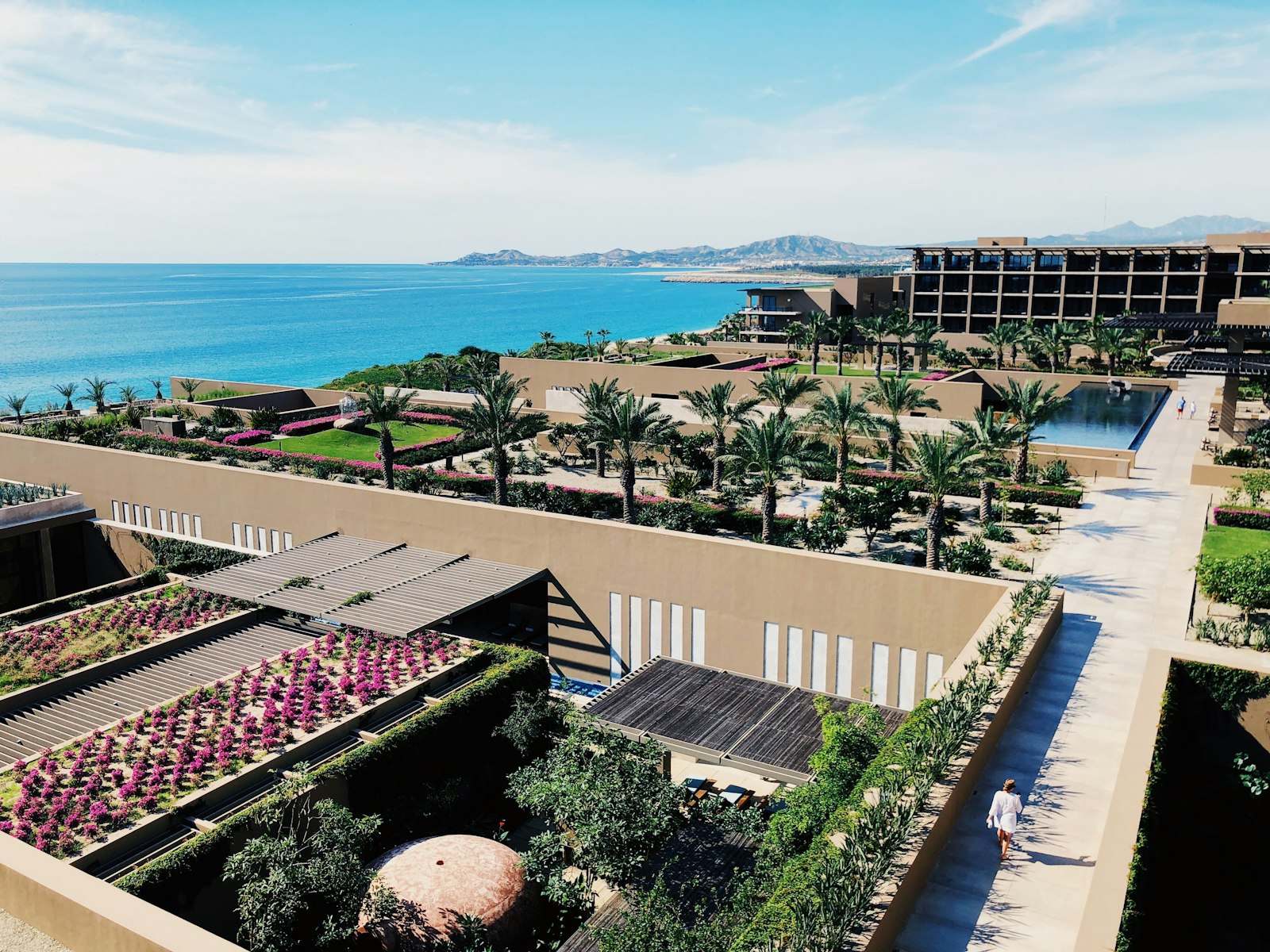
This is the big one. Most beachfront hotels in Los Cabos sit on water you can't safely get into. That covers the whole Pacific side, the long hotel beach in San José and most of the resorts along the Corridor highway. You get loungers on the sand, a flag on a pole and a pool with a view.
On the Corridor, only five hotels have a swim out front: Chileno Bay, Montage, One&Only Palmilla, and the Hilton and Paradisus, which share a calm patch of water behind a breakwater. In town, Médano Beach is the one you can swim at, and even there it depends on where you're standing. The middle of the beach is the safest bet. The far east end, out by the Riu resorts, gets steeper and rougher, and in the summer and fall swell months red flags are common out there.
The word "beachfront" tells you nothing about any of this. So before you pay, email the hotel and ask how often you can swim in front of it in the month you're coming. The hotels where the answer is usually yes are in the best Cabo resorts with swimmable beaches, and the public coves worth a ride are in the best swimmable beaches in Cabo.
Treating Cabo San Lucas and San José as the Same Trip
On a booking site the two towns look identical. They're about 20 miles apart, the drive takes 35 to 45 minutes, longer around 8am and 6pm, and they're two very different vacations.
The airport is in San José, so it's 15 to 30 minutes from there and 45 minutes to an hour from Cabo San Lucas. Every boat leaves from San Lucas, and that means the Arch, the whales, the snorkel trips and the fishing. Stay in San José and each boat morning costs you about an hour and a half in the car and around 1,200 pesos in Ubers. And a hotel with San José in its name may be in the hotel zone, a half-hour walk from the plaza, on a beach that's usually flagged against swimming.
If you want to swim and do a couple of boat trips, stay in San Lucas, on Médano. If you'd rather eat well and get a good night's sleep, stay in San José's historic center and put all your boats into one day. The full head-to-head is in Cabo San Lucas vs San José del Cabo.
Staying on the Corridor Without a Plan to Leave It
The Corridor is the 20 miles of resorts along the highway between the two towns, and on a map it looks like the smart compromise. In practice, halfway between two towns means a fare to each. Nothing out there is walkable. You can't walk to a store or a restaurant, and usually you can't walk to the hotel next door.
From the middle, a taxi is about US$25 to $50 each way to either town. Uber is roughly half, but pickup rules change from hotel to hotel, and at some the car waits at a security gate a long walk from the lobby. Over a week, rides from the middle of the Corridor run about US$130 to $390 more than the same week on Médano or in San José's center.
I'd still book it, on purpose, for a week when the resort is the vacation. The best hotels on this coast are here, and so are three of the four beaches I'd count on for a swim. Read the kilometer marker in the address first. Under about km 8 you're ten to fifteen minutes from the San Lucas marina, and over about km 22 you're ten minutes from San José's plaza. Then email the hotel and ask whether an Uber can pick you up at the lobby. The whole highway is in my Tourist Corridor guide.
Booking All-Inclusive and Then Eating Out
In Cabo the best restaurants are out in the two towns, and that's what makes this one expensive. Every dinner you eat in town while you're on a plan throws away something like US$100 to $140 that you already paid. Then you pay for the dinner you ate, which is US$100 to $180 for two at a good restaurant, plus the ride. Do that three times in a week and the plan has lost.
So count your dinners out, honestly, before you book. If it's zero or one, all-inclusive makes sense, mostly at a hotel that's hard to leave, like the ones in the middle of the Corridor or on the Pacific side. If it's three or more, pay as you go and stay where dinner is a walk. That's Médano, the marina or San José's historic center, and I wouldn't buy a plan in any of them.
If your resort sells the plan as an add-on, buy it before you fly, because at the front desk the same plan can cost about half again as much.
The full math is in whether a Cabo all-inclusive is worth it. If your count comes out in the plan's favor, the hotels I'd pick are in the best all-inclusive resorts in Cabo.
Booking March for the Beach
March has the highest room rates of the year and the coldest ocean, about 71°F. You'd be paying the most to swim in the chilliest water Cabo gets. It's also spring break, which runs for about five weeks from early March and lands on Médano and the bar strip in Cabo San Lucas. Mexican Easter week comes right behind it, and that's the biggest domestic travel week of the year.
In Cabo, the price of a room and the temperature of the ocean move in opposite directions, and that explains the whole calendar. September is the cheapest month with the warmest water, around 85°F, and it's also the middle of the real storm season, which runs from the last days of August to about the third week of October.
What I'd do is go in the second or third week of November. The ocean is around 80°F, storm season is basically over, everything is open and winter prices haven't started. If you want cheap and safe, pick June, when rooms run about a quarter less than March and the water is only about 74°F. And if the school calendar picks March for you, you'll be fine. Just plan on the pool.
Every month is in the best time to visit Cabo.
Coming for Whales in May
The whales keep a schedule, and May isn't on it. There's no whale watching at all from May to mid-December. Tours start on December 15, the licensed season runs to the end of April, and most companies stop selling trips around mid-April. By the second half of April it's stragglers, and I'd save the money.
The weeks to aim for are Christmas to mid-March, and the best of it is late January and February. That comes with a trade. The whales peak when the ocean is at its coldest, so you can't get the best whales and the best swimming on the same trip. Decide which one you're coming for before you pick dates.
In season, I think the boat is worth every dollar. A morning on a small covered boat runs about US$90 to $140 a person once the dock fee and tip are in. Book the 8am trip, and put it in the first half of your stay. The "guarantee" most companies offer is a free second trip if you see no whale at all. It's never a refund, so you need a morning left to use it.
Which boat, and which company, is in whale watching in Cabo.
Trying to Do La Paz, Todos Santos and Cabo Pulmo in One Week
Each of these is a full day, and two of them are longer than they look on the map. Todos Santos is the easy one, about an hour up the Pacific coast from Cabo San Lucas. Cabo Pulmo is 2 to 2.5 hours each way, and the last stretch is washboard dirt. La Paz is about five hours in the car, round trip, before you've done anything there, and I'd only do it as an overnight.
Put all three in one week and three of your seven days go mostly to the road. Each day comes with a hard stop, too. I wouldn't drive the rural highways here after dark, because cows and horses wander onto them at night, so you're starting back by mid-afternoon.
So pick one. If I had to choose for a first trip, I'd choose Todos Santos, because it's the short drive. Rent a car for just that day from an office in town, which runs about US$60 to $100 all in, plus gas, and leave the other two for the next trip. That one car day is built into my 5-day Cabo itinerary.
Comparing Room Rates Instead of Totals
The rate on your screen isn't what you'll pay, anywhere in Los Cabos. Tax adds about a fifth at an ordinary hotel. At the luxury hotels that sell rooms without meals, a service charge of around 15% goes on the room as well, so plan on about a third. A US$250 room is really US$300. A US$1,200 room is really about US$1,600.
On a mid-range trip of five to seven nights, that's roughly US$190 to $440 that wasn't in the number you compared. You can't avoid it, so budget for it.
Two small charges come after that. There's an environmental fee of about US$5 a room a night on the hotel bill. And there's a state visitor fee of about US$25 a head for anyone over 12, which you pay online, on the state's own website. Nobody at the airport collects it.
Multiply every rate by 1.2, or by 1.35 at the top end, before you decide one hotel is cheaper than another. And if a resort sells its meal plan separately, add roughly US$280 to $370 a day for two before you compare it with a true all-inclusive. Which areas fit which budget is in where to stay in Cabo, and the hotels I'd pick at each price are in the best resorts in Cabo.
Stopping to Talk in the Rooms After Customs
Nobody who talks to you inside the terminal is your driver. After customs, the only way out is through a couple of rooms full of friendly people in official-looking shirts, and they're selling timeshares and tours. The real drivers aren't allowed inside. You'll be told you need to check in, or that your driver already left for the day. None of it is true. Keep your voucher in your pocket and keep your feet moving. Stopping costs ten minutes at best, and at worst a deposit and a morning.
The real fix happens before you fly. Book a private car, which runs about US$70 to $110 for the whole vehicle depending on where you're staying, and screenshot the confirmation. It tells you where outside to meet your driver, and you won't have data when you land.
Uber won't pick you up at arrivals, so don't plan on it. And a shared shuttle to Cabo San Lucas waits until it's full and then makes hotel stops, so allow an hour and a quarter to an hour and a half. If you land with nothing booked, the official taxi booth is a perfectly good backup, at about US$90 to $115 to San Lucas, in cash.
My Cabo airport guide walks it door by door.
Saying Yes to the Free Breakfast
The "90-minute" timeshare presentation takes three to four hours, door to door. The gift you get for it is worth about US$100 to $250 for two at the prices you'd really pay. The half day you hand over is worth roughly US$200 to $400 of vacation you've already paid for, and mornings are the best part of a day here, when the water is flat and the boats go out.
You'll be asked in four places: the airport, your hotel, the marina boardwalk and sometimes the entrance of a big store. The hotel is the one that catches first-timers. After the real front desk you get pointed to a second desk to pick up a welcome package, and the "welcome breakfast" or "orientation" it offers is the sales presentation. Taking the envelope is saying yes, so decline before anything is in your hand.
What works is "no, gracias," with no reason attached. The one exception is a discounted rate that was sold on condition of attending, so read your booking terms.
And if you already signed something, go read my post on the Cabo timeshare presentation today. It covers the short window Mexican rules give you to cancel in writing. That's general information and it isn't legal advice, so check your own contract and act on the first day.
Booking the US$5 a Day Rental Car
Nobody drives out of the lot at that price. Mexican law requires liability insurance on every rental car, the cheap quotes online leave it out, and it gets added at the counter at about US$20 to $40 a day. A bargain week roughly doubles or triples once it goes on. The real price of a small car is about US$50 to $90 a day all in, or US$300 to $600 for a week.
Your credit card won't save you here. Where a card's coverage applies in Mexico, it covers damage to the rental car. It never covers the liability part.
So ignore anything under about US$40 a day. Book directly with a company whose quote already has the liability in it, and screenshot the total. At pickup, film the whole car before you drive off, and film it again when you bring it back.
The bigger question is whether you need a car at all. On Médano or in San José's historic center, most people don't. I'd take a private car from the airport and rent for one to three days, only for the day trips. A single day from an office in town runs about US$60 to $100 all in.
Everything about the counter is in renting a car in Cabo.
Getting Into a Taxi Without a Price
Taxis here have no meters and no published fare list, so the fare is whatever gets said at the other end unless you settle it first. Ask before you get in, EVERY time, even for three blocks. Ask if the price is for everyone in the car. And carry small bills, because drivers often can't change a 500-peso note or a twenty.
Then know what the other option costs. Uber runs at roughly half the taxi fare. A short hop inside Cabo San Lucas is US$10 to $15 by taxi and about US$4 to $7 by Uber. Between the two towns, a taxi opens at US$50 to $70 and an Uber is about 550 to 650 pesos, a little over thirty dollars. The purple bus does the same run for 45 to 50 pesos until around 10pm. Over a stay on Médano, taking taxis out of habit costs about US$120 to $150 more than Uber.
Uber has its limits. It won't collect you at airport arrivals, some resorts keep it out at the gate, and you'll want to request it from the street and away from a taxi line. After a late dinner in San José or out at the farm restaurants, I'd line up the ride home before ordering.
Every fare is in getting around Cabo.
Paying the First Price for a Water Taxi
Two different boats get called a water taxi in Cabo San Lucas, and both open high.
The first is the little boat across the harbor to Médano. You'll be asked US$10 to $15 a head, and US$5 to $7 is fair. It's only worth taking from the cruise pier side. From the mall side, Médano is under ten minutes on foot. Which stretch of sand to head for once you're there is in my Médano Beach guide.
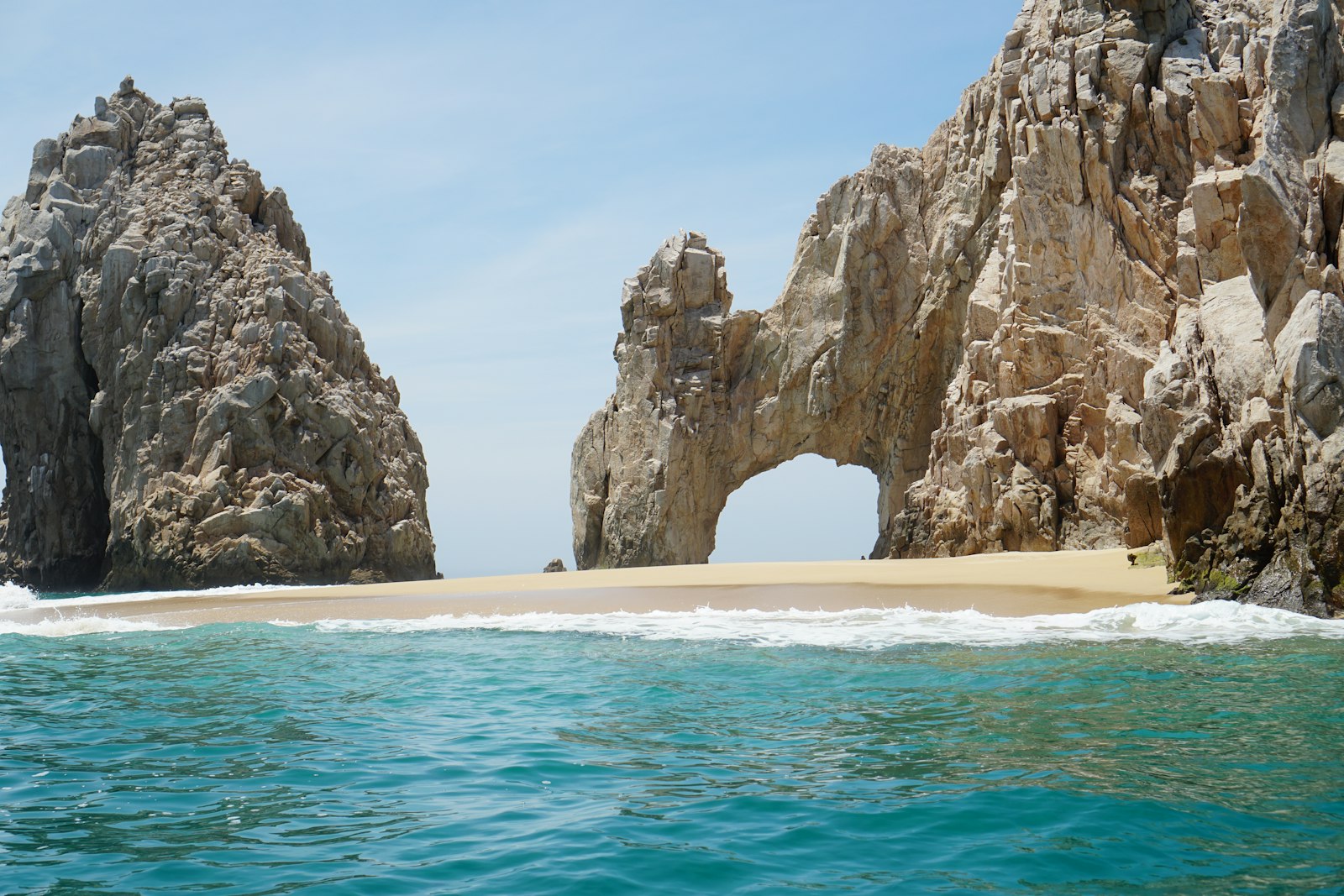
The second is the boat to the Arch. The fair price is about US$20 a person, round trip, with a stop at Lover's Beach. The first quote is often two or three times that, and a hotel desk sells the same ride for US$80 to $150. All in, with the dock fee and a tip, I'd budget US$25 to $30 a person from the marina.
Here's what I'd say on the dock: "Twenty dollars each, round trip, with an hour on the beach." Ask whether boats are landing at the beach that day before you pay. Pay half up front, and take a picture of the boat's name, because riding back on a different boat means paying twice. Go by about 8:30. The price climbs once the cruise passengers come ashore around ten.
The whole routine is in my guide to El Arco and Lover's Beach.
Assuming a Sunny Day Means You Can Swim
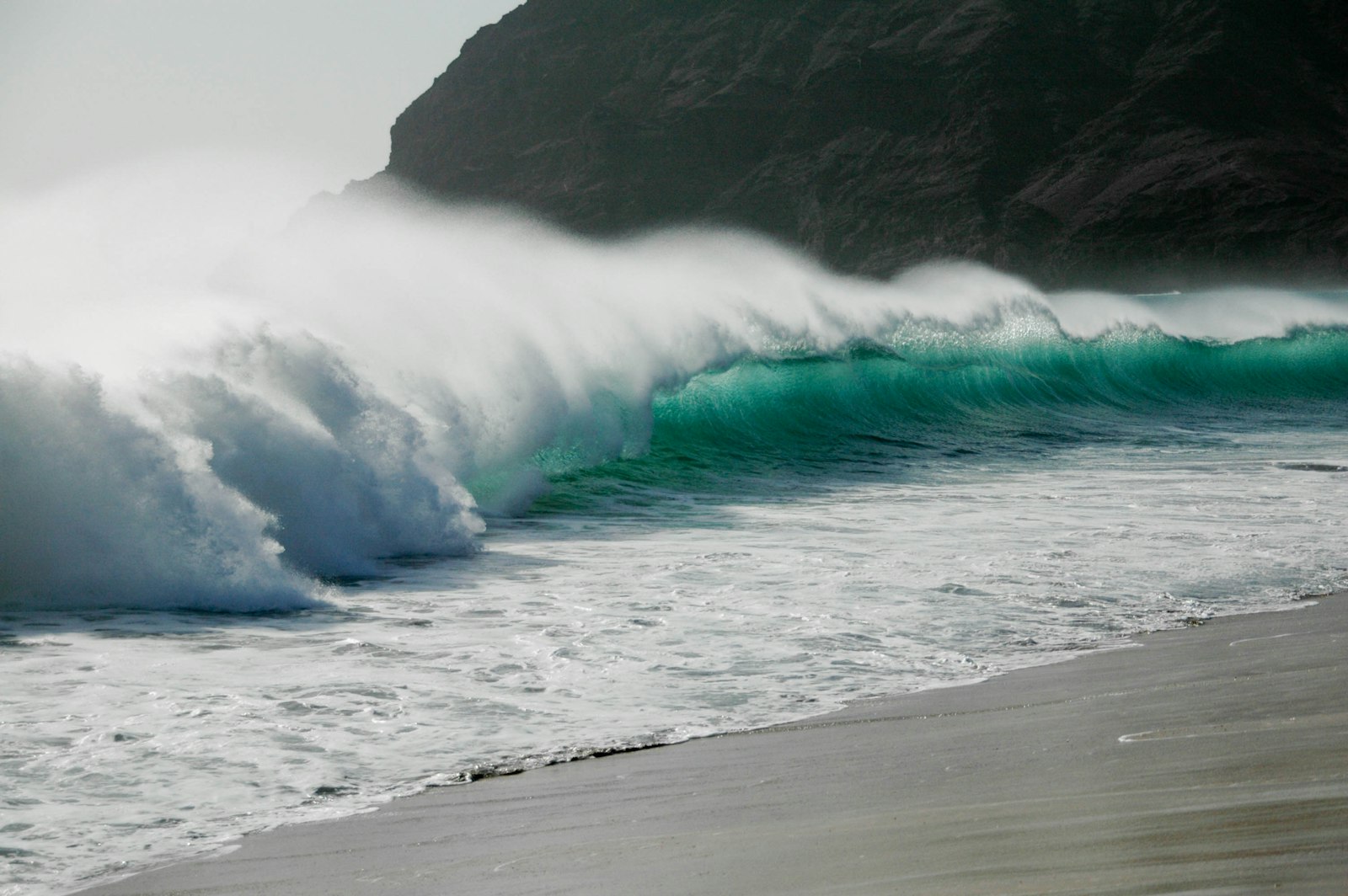
You can wake up to sunshine and no wind and find every beach closed. The swell that closes them comes from storms hundreds of miles away, and the flags can stay black for two days or more after the sky clears. The port closes to small boats too, so the Arch, the snorkel trips and the water taxis all cancel at once. Swell season runs roughly May through October, and in September and early October the closures can last several days in a row.
The flag on the pole is the only thing that tells you about today. Green means swim, yellow means be careful, red means don't go in, and black means the beach is closed. Under a red or black flag I'd stay off the wet sand too, since that's where a wave reaches you. On any Pacific-side beach I'd stay up on the dry sand whatever the flag says.
What this costs you is days, so plan for it. Look at the flag every morning and again after lunch. Swim in the morning, when it's calmest. Put your boat trip early in the stay so there's another morning to try, and in storm season don't prepay it. The ocean section of is Cabo safe is the part of that post I'd most want you to read.
Changing Money at the Airport
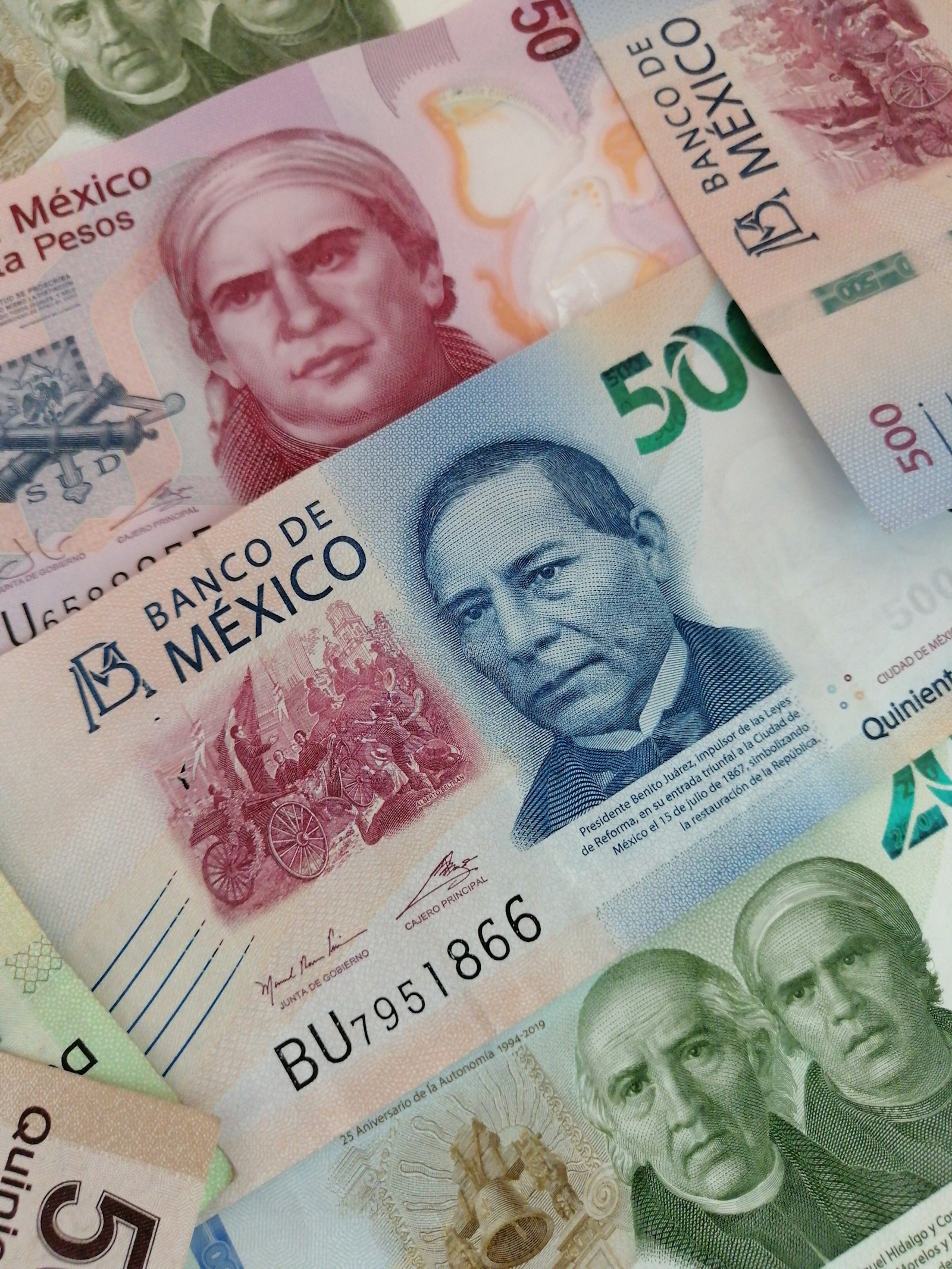
The exchange desk at the airport gives a worse rate, and so does the one at your hotel. I'd skip both. Get pesos from an ATM inside a bank branch, in daylight, with your debit card.
The part that costs money comes on the screen. After you choose your amount, a lot of machines offer to charge your account in dollars at a rate they "guarantee". Press decline. The cash still comes out, and accepting can cost you 5 to 10% of the withdrawal. Card terminals ask the same question, and the answer there is pesos too. Handing over dollar bills for a check that was priced in pesos can cost you a tenth or more.
While you're at it, check your card's foreign transaction fee before you fly. At 3%, US$2,000 of spending costs you US$60.
There's one more leak that happens at the table, which is tipping twice. Read the check for the words propina or servicio before you add anything. If one of them is there, the tip is already on it.
Honestly, this is the smallest mistake in the post. All the currency slips together come to maybe US$75 to $250 on a mid-range trip. The rest of the budget is in how much Cabo costs.
The Verdict
Bottom line: the mistakes that cost real money in Cabo are the ones you make before you leave home. Where you sleep, what's included, which month, and how you're getting from the airport decide most of the trip. Everything after that is a habit you can pick up in a day: ask the price first, carry small bills, look at the flag.
Here's the order I'd work in. Pick the area by two questions, which are whether you can swim there and what it costs to leave. Count your dinners out before you look at a meal plan. Add a fifth to the rate. Book the airport car. Rent a car only for the day you're leaving town.
If it's your first trip and you want the version with the fewest ways to go wrong, stay in the middle of Médano Beach, room only, with no rental car. The boats, a swim and dinner are all on foot from there, and it's the base I use in my 3-day Cabo itinerary.
You can ignore a few of these if you've decided the resort is the whole vacation and you're not leaving it. Then the Corridor and the meal plan are both the right call... as long as you asked about the flag first.
Ask the hotel if you can actually swim there. Count your dinners before you buy all-inclusive. Add a fifth to the room rate. Book a private airport car and don't stop for anybody inside. No free breakfast. No rental car under $40 a day, and only for the day trip. Price first on every taxi and every boat. Check the flag every morning.
Quick Answers
What is the biggest mistake first-timers make in Cabo? Booking a "beachfront" hotel on a beach they can't swim at. Most hotel beaches here are flagged against swimming, so ask the hotel how often you can swim out front in the month you're coming.
Can you swim in the ocean in Cabo? Yes, at a short list of beaches. Médano in Cabo San Lucas is the town beach for it, and the middle is the safest bet. On the Corridor it's the coves at Chileno, Santa María and Palmilla, plus the breakwater cove at the Hilton and Paradisus.
Do I need a rental car in Cabo? Not if you're staying on Médano or in San José's historic center. Rent for one to three days for a day trip, and plan on about US$50 to $90 a day once the required liability insurance is in.
Is all-inclusive worth it in Cabo? Only if you'll eat nearly every dinner at the resort, and mostly at hotels that are hard to leave. If you'll eat out three times or more in a week, pay as you go.
Should I go to a timeshare presentation for the free tour? For most people, no. It takes three to four hours, and the gift is worth about US$100 to $250 for two.