How Much Does a Cabo Trip Cost? My Real Budget for Two
By Cabo Wander
How much does Cabo cost? Most people are hoping the answer is "not much, it's Mexico." It isn't. Cabo is priced like a US resort town, and the Mexican price list is a few blocks inland, where most visitors never look.
So here's my number. For a comfortable trip for two, in a room-only hotel you can walk to dinner from, I'd plan on roughly US$500 to $800 a day with everything in it: the room, the tax, food, rides, a couple of boat trips and tips. That's about US$2,600 to $4,000 for five nights, before flights.
You can do it for about half that if you eat where the locals eat and ride the bus. At the famous resorts it's four or five times as much.
What I didn't see on my first few trips is that three decisions move that number more than the season or the exchange rate does: where you sleep, where you eat dinner, and who you buy your boat ride from. Get those right and you can have the mid-range trip for close to the budget price. Get them wrong and you'll pay resort money for an ordinary week. If your last beach trip was on the other coast, I line the two up in Cabo vs Cancún, and for the cheaper Pacific option there's Cabo vs Puerto Vallarta.
Flights aren't in any total in this post. They depend too much on where you're flying from, and I'd only be guessing.
The Budget, by Kind of Trip
These are my own rough numbers, rounded on purpose. They're for two adults sharing a room, with the room, tax, food and drink, rides, activities and tips all in, and flights left out. I've used the in-between months (May, June, and October to mid-December) because that's when I'd tell you to go anyway.
| Kind of trip | Five nights, for two | Seven nights, for two |
|---|---|---|
| Budget | US$1,200 to $2,100 | US$1,700 to $2,800 |
| Mid-range | US$2,600 to $4,000 | US$3,700 to $5,600 |
| Upper | US$4,800 to $8,300 | US$6,700 to $11,700 |
| Luxury | US$11,500 to $19,400 | US$16,400 to $28,500 |
Budget is a small hotel downtown or by the marina, tacos and a seafood hall for dinner, the bus and a few short Ubers, the water taxi to the Arch, the public coves and the free hike. It works, at about US$240 to $400 a day. What it leaves out is the beach vacation part, meaning a lounger with service and a room that looks at the water.
Mid-range is the trip most people I know take. A room-only hotel on Médano or in San José's center, breakfast at a cafe, a good sit-down dinner most nights, a private car from the airport, Uber after that, a whale boat or the Arch, and one day with a rental car.
Upper is a nicer Corridor hotel or an upper-level all-inclusive, some meals at resort prices, taxis, and a daybed or a fishing morning. Figure US$1,000 to $1,700 a day.
Luxury is the big-name resorts that sell rooms without meals. My luxury post puts those at US$2,000 to $3,500 a night for two once you've eaten, and with rides and a couple of private boats on top it comes to more like US$2,300 to $4,000 a day.
The ranges are wide because the low end is every line going your way and the high end is every line going against you, so a real trip lands somewhere in the middle.
As a check on the mid-range number, take the room out and everything else comes to about US$1,400 to $2,100 for five nights. That lines up with the US$1,200 to $2,000 in my 5-day Cabo itinerary, which is a night shorter.
And for a family of four at mid-range, with two kids somewhere between eight and fourteen in one suite, I'd plan on about US$3,600 to $5,400 for five nights and US$5,000 to $7,800 for seven.
Where the Money Goes
The Room, and What Lands on Top
The room is the biggest line, and the rate you see when you book is not what you'll pay.
Per night, before tax, in the in-between months, this is about what I'd expect:
- A small downtown or marina hotel: US$90 to $150
- Mid-range on Médano or in San José's center: US$190 to $300
- An upper Corridor hotel: US$400 to $650
- The top resorts: US$1,100 to $1,900
Then add about a fifth for tax at an ordinary hotel. At the luxury hotels that sell rooms without meals, there's a service charge on the room too, so plan on about a third. A US$250 room is really US$300. A US$1,200 room is really about US$1,600.
There are two small ones after that. An environmental charge of about US$5 a room a night goes on the hotel bill. It's per room and not per person, so it's the rare fee that's kinder to families. And there's a state visitor fee of about US$25 a head for anyone over 12, which you pay online yourself. It isn't on your hotel bill, and nobody at the airport collects it.
Compare totals, never rates. Multiply by 1.2 or 1.35 before you decide one hotel is cheaper than another. Which area fits which budget is in where to stay in Cabo.
Food and Drink
This is the line you control the most. Dinner for two runs US$20 to $40 at a taqueria, US$50 to $80 at a local seafood place, US$100 to $180 at a good independent restaurant, and US$400 to $600 on the cliff with the sunset. So five dinners can cost US$300 or US$1,600. Honestly, the food doesn't get better as the number goes up. What you're paying for is the view.
For a whole day of eating and drinking for two, tax and tip in:
- Budget: US$70 to $110
- Mid-range, eating in town: US$160 to $240
- With some resort meals: US$250 to $400
- At a luxury resort: US$450 to $700
A few prices show the two lists side by side. A taco at a stand is 40 to 65 pesos, so two to four dollars. Old blog posts still say a dollar, and those days are gone. A margarita is about 100 pesos at a downtown taqueria. At most restaurants it's US$12 to $18, at a beach club it's US$15 to $25, and at the top hotels it's US$20 to $25 before tax and service. A beer at a beach club or resort is US$5 to $8. Breakfast at a cafe is US$12 to $25 a head. The buffet at an upper Corridor resort is about US$40 a head, and the bottle of water at dinner there is US$8.
A beach club day pass softens it a little, since most of the US$45 to $150 comes back as food and drink credit. Ask whether the credit covers tax and tip before you count on it. My favorites are in the best beach clubs in Cabo.
What to order, and where, is in the best restaurants in Cabo.
Rides
Where you sleep sets this number too. For two people for a whole stay, airport included, it comes to under US$150 from San José's center if you lean on the bus, about US$230 to $300 from Médano by Uber, and US$360 to $540 from the middle of the Corridor by taxi. The short version of the prices: a short hop in Cabo San Lucas is US$10 to $15 by taxi and 75 to 115 pesos by Uber. Between the two towns it's US$50 to $70 by taxi, about 550 to 650 pesos by Uber, and 45 to 50 pesos on the bus. A private car from the airport is about US$70 to $110 for the vehicle, depending on where you're staying. For a couple staying in Cabo San Lucas, the round trip with tips comes out around US$200.
The full table, trip by trip, is in getting around Cabo.
Activities
The best things here are cheap, and the same thing costs three different prices depending on who sells it to you.
The water taxi to the Arch is about US$20 a person on the dock, plus a few dollars in dock fees and a tip. A hotel desk sells that ride for US$80 to $150. A small-boat whale trip is about US$90 to $140 a person once the dock fee and tip are in, and it's the one activity I'd happily pay full price for. I compare the boats in whale watching in Cabo.
For five nights at mid-range I'd budget about US$350 to $500 for two. That covers a whale boat, the Arch, some shade at Chileno and one day with a rental car. The public coves and the hike are free. Everything I'd spend on and everything I'd skip is ranked in things to do in Cabo.
When You Go, and How Much That Moves It
The season moves the room and pretty much nothing else. I haven't seen restaurant menus, taxi fares, transfers or boat prices change with the calendar. Rental cars and golf do get cheaper in summer.
On average, March runs about one and a half times September. Individual hotels swing more than that. At mid-priced places the low-season discount is big, around 40%. At the very top it's thin, because the fanciest resorts don't need to drop their rates much to fill up.
For that mid-range five-night trip, that works out to about US$2,300 to $3,500 in late August and September, and about US$3,200 to $4,800 from January to April. So high season adds roughly a fifth to the whole trip, and closer to a third at the luxury end.
Christmas through New Year's, Presidents' week and the spring break weeks sit above ALL of it. I'm not going to put a number on those, because I don't have one I trust. The top hotels also set minimum stays for the holidays.
The whale boat is one more seasonal line. It only exists from mid-December to mid-April, so a winter trip has about US$200 more in it for two that a summer trip doesn't.
The cheap weeks come with trade-offs, like storm risk and restaurants that close, and I go through all of it month by month in the best time to visit Cabo.
Pesos or Dollars?
My rule is to pay in the currency the price was set in.
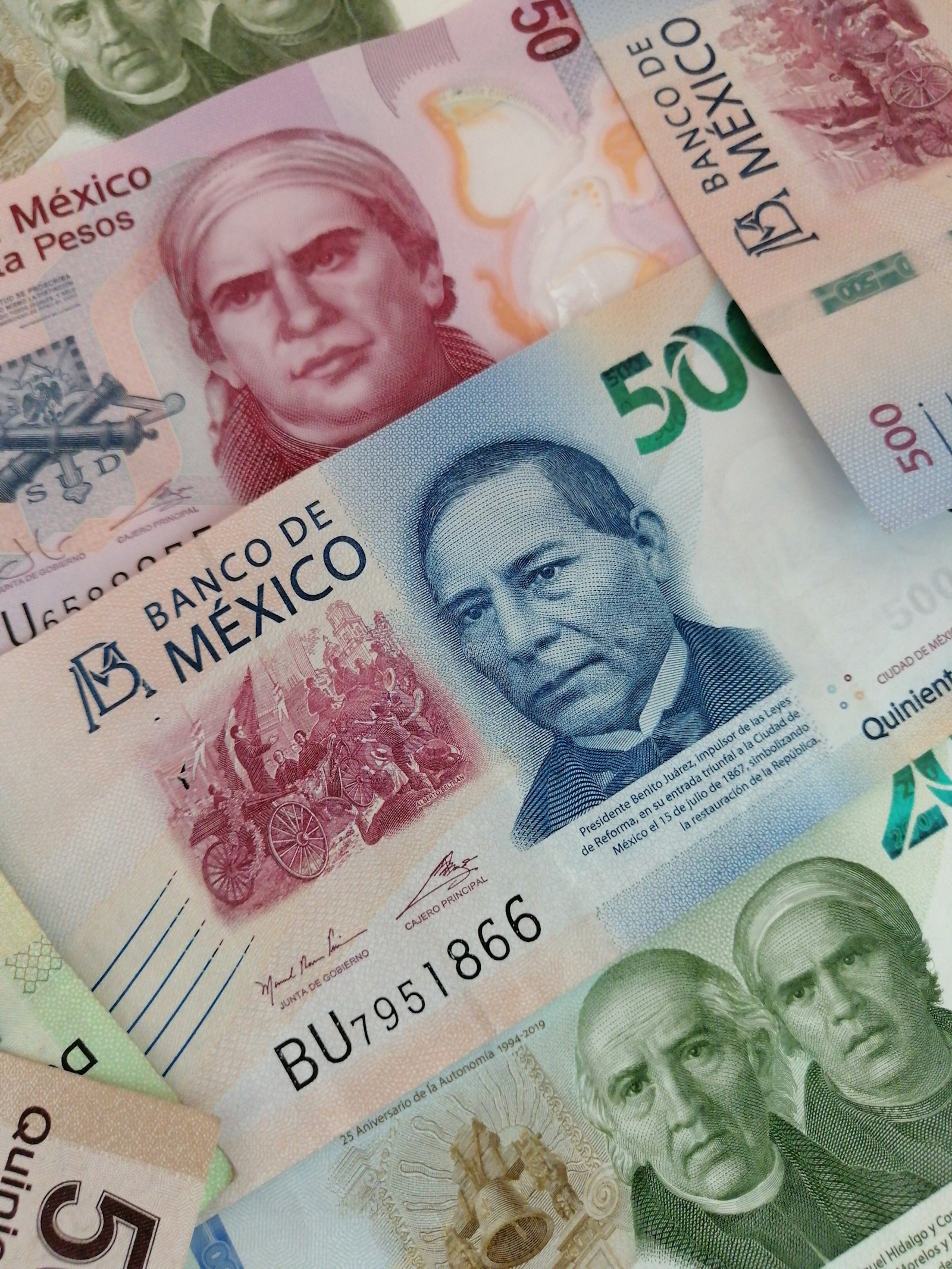
If the menu, the shelf or the app shows pesos, pay pesos. That covers local restaurants, supermarkets, convenience stores, pharmacies, the bus, gas and Uber. Use a card charged in pesos, or pesos you took out of an ATM. If you hand over dollar bills for a peso check, the restaurant uses its own exchange rate, and that can cost you a tenth or more. Your change comes back in pesos at that same rate, so you get their math twice.
If a person quotes you in dollars, ask for the peso price too. That's taxi drivers, water taxi captains, the man at the dock gate and some tour desks. The peso figure is often just the dollar figure multiplied by a round number, so "ten dollars or two hundred pesos" isn't always the same money. Some years the pesos are the better deal and some years the dollars are. Do the math on your phone and pay the cheaper one.
For anything you prepaid online in dollars, like the airport car or a tour, there's nothing to decide. The same goes for a resort bill that's written in dollars.
I'm not going to print an exchange rate, and I'd be a little wary of any blog that does. The peso has moved between roughly 17 and 21 to the dollar over the last couple of years, and it can shift a lot in a month. Check it the week you go. For quick math in your head, a 100-peso bill is five or six dollars and a 20 is about one.
I also wouldn't lose sleep over it. That whole swing changes a mid-range five-night trip by a few hundred dollars, and one dinner at the wrong restaurant does about the same.
You do need cash, a little every day, for taxis, water taxis, dock fees, tips, taco stands, the bus and the toll. On a mid-range five-night trip, about US$300 to $500 of it gets paid in cash.
And carry small bills. Taxi drivers and boat captains often can't change a 500-peso bill or a twenty, and 500s are what the ATM hands you. I break mine at a supermarket or a convenience store on something I needed anyway, like water and sunscreen.
ATMs and Cards
Getting Pesos
Get them from an ATM with your debit card. I skip the exchange desk at the airport and the one at the hotel, because both give a worse rate. If a booth has two rates on its sign, you'll be getting the lower one.
Three habits make the ATM cheap:
- Use a machine inside a bank branch. I go in daylight. I'd skip the standalone machines in bars, hotel lobbies and along the marina.
- Decline the conversion. After you choose your amount, a lot of machines offer to charge your account in dollars at a rate they "guarantee". There's an accept button and a decline button. Press decline. The cash still comes out, and your own bank does the conversion at a better rate. Accepting can cost you 5 to 10% of the withdrawal, sometimes more.
- Take out more, less often. The fee is per withdrawal, so two or three visits on a trip beats one every day.
The fee itself depends on whose machine it is, and the gap is big. One of the big banks here charges several times what another does for the same cash. The fee shows on the screen before you confirm. If the number looks high, cancel and try a different bank. Your bank at home may add its own fee on top, so look that up before you go.
Even so, the worst machine costs you about the price of a cocktail, a couple of times a trip. It isn't where the real money goes.
Cards
Cards work at hotels, most restaurants, supermarkets, convenience stores, Uber and anything you book online. Cash is for taco stands, the bus, tips, dock fees, water taxis and a lot of taxis.
My own habits with cards:
- Pick pesos on the terminal. When the machine asks pesos or dollars, the answer is pesos, for the same reason as at the ATM. Just look at the peso total first and make sure it's the number you agreed to.
- Check your card's foreign transaction fee before you fly. Some cards charge nothing and some charge 3%. On US$2,000 of spending, that's US$60, which is more than a whole trip's worth of ATM fees. If I could only get you to check one thing, it'd be this.
- Bring two cards and a debit card. Keep them in different places. A blocked or copied card on day two shouldn't be the end of the plan.
- Leave room for holds. A rental car desk can put a hold of a few hundred to a couple of thousand dollars on your card, and hotels take deposits.
- Keep the card in your hand. At restaurants the terminal comes to your table. At a gas station I get out and pay cash.
The fraud side of all this, and why I'd buy travel medical insurance for this trip, is in is Cabo safe. That's the one money item that can ruin a trip and not just dent it, because private hospitals here want a card up front.
Tipping
People worry about this more than it deserves. The difference between the careful end and the generous end of every line below is maybe US$100 over a week for two. So relax, and tip the people who looked after you.
Three rules cover most of it. Tip in pesos, because your server loses part of a dollar tip changing it. Tip in cash, handed to the person. I can't tell you whether a tip added on a card always reaches them, and cash does. And read the check before you tip at a restaurant, which I'll get to in the next section.
| Who | How much |
|---|---|
| Sit-down restaurant | 15% is what most visitors leave. 10% is what locals leave, and it's fine. Nothing more if a tip is already printed on the check |
| Taco stand or counter | Your small change, up to 10%. At least 10 pesos |
| Bar, beach club or pool server | 20 to 50 pesos a round (one to three dollars), or 10 to 15% on a tab |
| All-inclusive | 20 to 50 pesos a round, 100 to 200 pesos at a sit-down dinner. About US$150 to $200 for the week |
| Housekeeping | 50 to 100 pesos a day (three to six dollars), more at the top resorts. Leave it daily, because the staff rotate |
| Bellman | 20 to 50 pesos a bag |
| Taxi | Not expected on a short ride. Round up, or about 10% for bags, waiting or a long run |
| Uber | Optional. 10 to 20 pesos in the app |
| Shared airport shuttle | US$2 to $3 a person, or about 50 pesos |
| Private airport driver | 100 to 200 pesos for the car, or 10 to 15% |
| Driver hired by the hour | 10 to 15% |
| Group boat or tour | 10 to 15% of the ticket. About US$5 to $10 a head on a US$50 tour, US$10 to $20 on a whale boat |
| Water taxi to the Arch | US$2 to $5 a head, and a dollar or two for the men who steady the boat at the beach |
| Private boat or private guide | 10 to 20% |
| Fishing crew | 15 to 20% of the charter, in cash. 10% on a slow day |
| Guide on the free hike | US$5 to $10 a head |
| Spa | 10 to 20%, or nothing extra if a service charge is already on the bill, which is normal at resort spas |
| Gas station attendant | 10 to 20 pesos |
| Grocery bagger | 5 to 10 pesos |
| Musicians at your table | 20 to 100 pesos a song |
A few of those are judgment calls. On housekeeping, I've heard as little as 20 pesos and as much as ten dollars at the fanciest places. On taxis, plenty of people tip 10% every ride and plenty tip nothing. Neither one is wrong.
The biggest tip most people leave on a trip is the fishing crew. On a US$900 boat that's US$135 to $180, in cash, and it isn't in the quote. The rest of what a charter really costs is in sport fishing in Cabo.
At an all-inclusive, "tips included" is true at a few hotels and optimistic at most. Bring the small bills anyway.
And 20% at a restaurant is a kind American habit. Nobody expects it.
How the Check Works
This is where I see people tip twice without knowing it, so here's the whole sequence.
- Ask for it. The check doesn't come until you say "la cuenta, por favor".
- Read it. Look for two words, propina and servicio. Either one is a tip that's already been added, and it also shows up as "propina sugerida" or "cargo por servicio". It's usually somewhere between 10 and 18%, and up to 20% at resort restaurants. The line marked IVA is sales tax, and it has nothing to do with the tip.
- Decide about the tip. If one of those words is on there, that's your tip, and you're done. A printed tip is a suggestion and you're allowed to ask for it to be changed.
- Say how you're paying. "Con tarjeta, en pesos" for a card, or "en efectivo" for cash.
- Watch the terminal. The first screen is often pesos or dollars. Pick pesos. The second is often a tip screen with buttons for 10, 15 and 20%. If service was already printed, press none. If it wasn't, I either tell the server the percentage before they key it in or skip the screen and leave cash.
- Check the total against the check before you tap, and keep the slip.
If you tap 20% on the terminal after a printed 15%, you've tipped 35%. It's the easiest mistake to make in Cabo, because the terminal arrives already open on that screen.
As a rule, the 16% tax is already inside the menu prices at local restaurants. Hotel restaurants are the exception. A lot of them add the tax and a service charge on top of the menu price, which together is about a third. So at a hotel, read the small print at the bottom of the menu before you order.
At bars and beach clubs I pay round by round and ask the price of anything I didn't order from a menu. That's where surprise rounds show up on a tab.
Where the Money Leaks
The things people worry about, like ATM fees, the exchange rate and tipping correctly, are small. The big leaks are quieter. I've put them in order of how much they cost two people on a mid-range trip of five to seven nights.
- Tax and service that weren't in the room rate. About US$190 to $440 at mid-range, and thousands at the top resorts. You can't avoid it. You can only budget for it, and I do that math in the best luxury resorts in Cabo.
- Eating at view, marina and resort prices. Figure US$200 to $600 over a trip, and one dinner at the wrong address can be US$150 over all by itself. The cheap end is where a lot of my favorite meals are, and those are in the best tacos in Cabo.
- A base where every outing needs a ride. A week in the middle of the Corridor costs US$130 to $390 more in fares than a week on Médano or in San José's center, and you're paying resort breakfast prices on top.
- Buying an all-inclusive plan and eating out anyway. Every dinner in town throws away about US$100 to $140 you already paid. Count your dinners first, which is the whole idea of whether a Cabo all-inclusive is worth it.
- Taxis out of habit. About US$120 to $150 more than Uber over a Médano stay, and more than that from the Corridor.
- Buying activities from a middleman. US$60 to $130 a head on the Arch alone, and US$50 to $80 a head in fees added at an ATV check-in desk. How to buy the boat ride on the dock is in my guide to El Arco and Lover's Beach.
- A rental car booked on the cheap headline rate. A few hundred dollars over the quote in a week. The fix is in renting a car in Cabo.
- Currency. Dollar bills at the restaurant's rate, the accept button at the ATM, pesos at a bad street rate and a 3% card. Together that's maybe US$75 to $250.
- Tipping twice. Thirty-some dollars on a US$200 dinner, every time it happens.
- Small stuff bought where you can't shop around. Resort water, sunscreen from the hotel shop, the photo package on the boat, lunch at the airport. I paid US$56 for three Subway sandwiches past security. Call it US$50 to $200.
- The timeshare "gift". It costs a morning and sometimes a refundable deposit of up to about US$100. The trade is laid out in my post on the Cabo timeshare presentation.
Off the end of that list is a hospital visit without travel medical insurance. It's the only one that runs into the thousands.
The Changes That Save the Most
None of these make the trip worse. A couple of them make it better.
- Stay where dinner is a walk, room only. Médano, the marina or San José's center. This one takes care of most of leaks two, three and four, and it's worth US$300 to $800 on a week for two. The food is better, too.
- Compare totals, and move your dates if you can. May, June and November run about a quarter under March on average, and more than that at mid-priced hotels.
- Book the airport car round trip before you fly, and use Uber for everything else. That's US$120 to $200. The arrival, door by door, is in my Cabo airport guide.
- Buy boats from the operator or on the dock, in the morning. US$80 to $260 saved for two on the Arch alone. The dock price is lower before the cruise passengers come ashore.
- Pay the way a resident would. Pesos from a bank ATM, a card with no foreign fee, pesos on every screen, and read the check before you tip. US$100 to $300.
The last one is free. If you're staying room only somewhere you can't walk to a store, ask your airport driver to stop at a supermarket for water, sunscreen and breakfast things. With kids and a suite that has a kitchen, that stop takes a real bite out of the food line.
Bottom line: fix the first three leaks when you book and you've done most of the work before you've packed.
The Verdict
Cabo costs what a nice US beach town costs. I've made my peace with that, because the best parts of it are still the cheap ones: a twenty-dollar boat ride, a free cove, a US$30 seafood lunch a few blocks back from the water.
If I could change one thing, the rate on the screen would be the rate you pay. It never is... so add a fifth and move on.
A few of you should think twice. If you're expecting cheap Mexico, this is the wrong town, and I'd rather you heard that now than at checkout. If you want a big-name resort, plan on US$2,000 to $3,500 a night with food, and take a look at the luxury all-inclusives, which can come out about the same or a little under. And if you're on a tight budget, it works at US$240 to $400 a day for two. Just know that what the budget cuts is the lounger and the view.
For everyone else, a comfortable Cabo trip is about US$500 to $800 a day for two before flights, and where you land in that range is mostly up to you.
For the booking side of the budget, see the best affordable hotels in Cabo, the best all-inclusive resorts in Cabo and the Cabo first-timer mistakes I'd avoid.
It's not cheap, so plan US$500 to $800 a day for two plus flights. Add a fifth to any room rate, a third at the fancy places. Stay where you can walk to dinner and eat a few blocks inland. Book the airport car ahead, Uber after that. Buy the boat on the dock. Pesos from an ATM inside a bank, hit decline on the conversion, pick pesos on every card machine. Tip 15% in pesos, and look for "propina" or "servicio" on the check first. Carry small bills. Buy the travel medical insurance.
Quick Answers
How much does a week in Cabo cost for two? Before flights, in the in-between months, I'd plan on about US$1,700 to $2,800 on a budget, US$3,700 to $5,600 at mid-range and US$6,700 to $11,700 at an upper-level hotel. High season adds roughly a fifth, and holiday weeks cost more than that.
Should I use pesos or dollars in Cabo? Pesos for anything priced in pesos, which is restaurants, shops, Uber and the bus. When a driver or a boat captain quotes you in dollars, ask for the peso price too and pay whichever works out cheaper.
Do I need cash in Cabo? Yes, a little every day, for taxis, water taxis, dock fees, tips, taco stands and the bus. Cards cover hotels, most restaurants, supermarkets and Uber.
How much should I tip in Cabo? 15% at a sit-down restaurant if a tip isn't already on the check, 20 to 50 pesos a round at a bar, 50 to 100 pesos a day for housekeeping, and 10 to 15% of the ticket for a boat or tour crew. Tip in pesos, in cash.
What gets added to a hotel rate in Cabo? About a fifth in tax at an ordinary hotel and about a third at the luxury resorts, where a service charge goes on the room as well. On top of that there's an environmental charge of about US$5 a room a night, and a state visitor fee of about US$25 a head that you pay online.