Cabo vs Puerto Vallarta: Which One I'd Actually Book
By Cabo Wander
When a friend asks me "Cabo or Puerto Vallarta?", they expect the Cabo person to say Cabo. I've been to Cabo more times than I can count, so I get it. But my honest answer is that from about mid-November to May, Puerto Vallarta is the better trip for a lot of you, and it costs less.
Here's why. Puerto Vallarta is a real Mexican city with a beach on it. You can walk to dozens of good restaurants at local prices, the ocean is warm enough and calm enough to get into in winter, and there are green mountains right behind the sand. Cabo is a resort coast with two small towns on it. It's drier, the water is much clearer, the scenery is more dramatic, and the fishing, the golf and the top hotels are all better. Most of your swimming in Cabo will be in a pool.
Two things flip my answer. The first is the month. From mid-June to mid-October Puerto Vallarta is in its rainy season, and in June and early July Cabo is bone dry while PV is already wet and sticky. The second is where on the bay you'd stay. Everything I love about Puerto Vallarta is in or near the old town. If you're looking at an all-inclusive up in Nuevo Nayarit or a luxury hotel out at Punta Mita, you're half an hour to an hour from all of it, and at that point you're comparing two resort weeks.
I should say up front that Cabo is the place I know from the inside. I've been to Puerto Vallarta and I know it reasonably well, but nowhere near as well, so I've kept that side to the things that stay true from year to year.
The Quick Version
Book Puerto Vallarta if you want to walk to dinner, you're watching the budget, you want to swim in the ocean in winter, or you want a gay scene. Go between mid-November and May, and stay in or near the old town.
Book Cabo if you want dry air and clear water, you're coming to fish or play golf, you want one of the best hotels in Mexico, you're traveling in June or early July, or the US travel advisory level matters to you.
Skip August and September at both unless the price is the whole point and you've bought insurance.
A Town You Can Walk Around
Puerto Vallarta wins this outright, and it's the main reason to go.
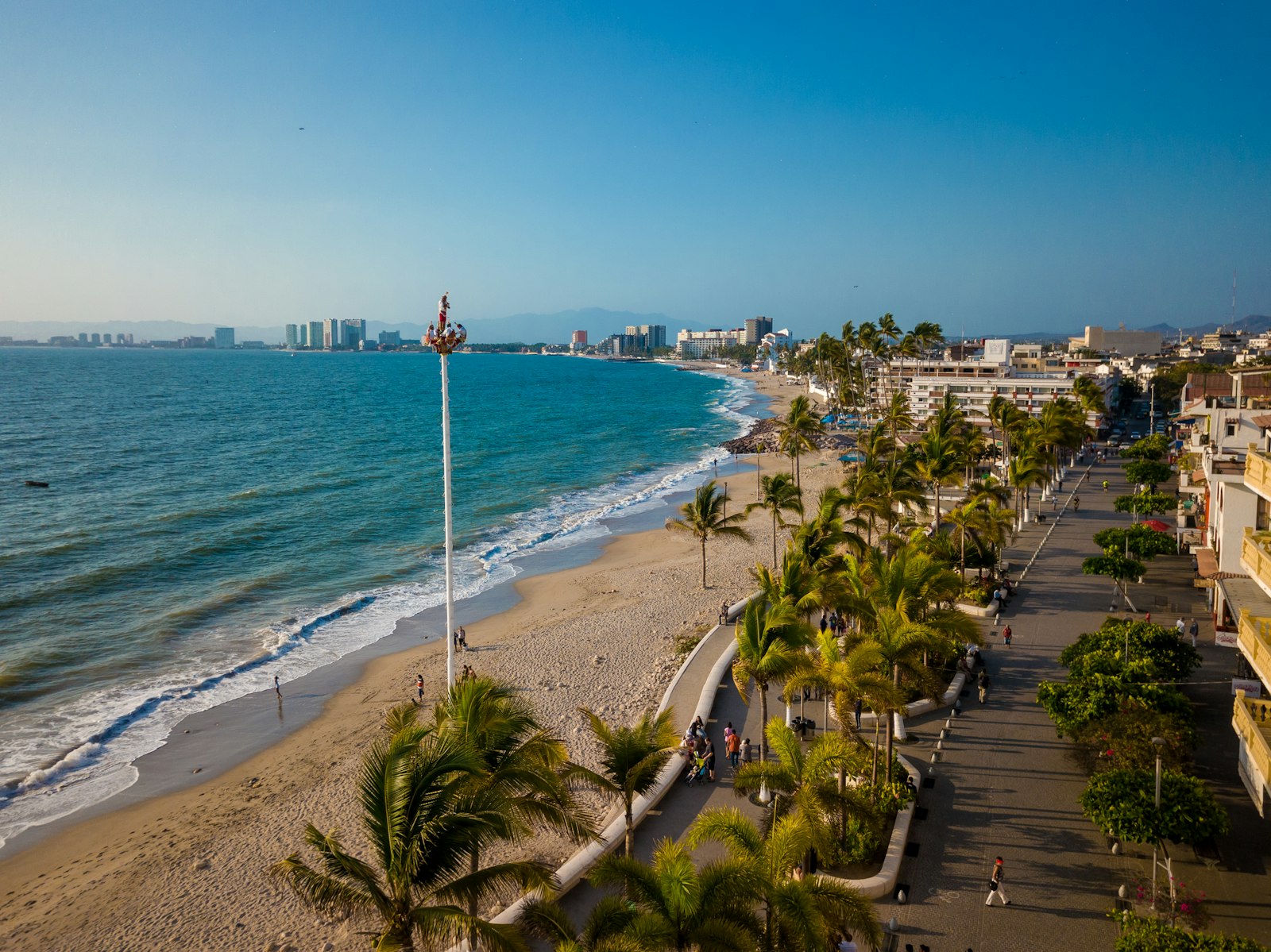
When I compare Cabo to Cancún, dinner in town is the card I play for Cabo. Against Puerto Vallarta it doesn't work, because PV has the bigger, cheaper, more walkable restaurant town. It's a city of well over 200,000 people, with a seafront promenade called the Malecón that runs for more than half a mile, a cobblestone center, and south of the river a neighborhood called the Zona Romántica where your hotel, the beach, the bars and more restaurants than you could get through in a month are all within about ten minutes on foot.
Cabo's walkable parts are small. There's the marina and Médano Beach in Cabo San Lucas, and a few lovely blocks around the plaza in San José del Cabo, and the two are 20 miles apart. I adore those blocks in San José, and my San José del Cabo guide is basically a love letter to them. They'd still fit inside one corner of Puerto Vallarta.
The food is where you really feel it. In Puerto Vallarta a taco al pastor runs 30 to 40 pesos, around US$2, and a fish taco about 50. A dinner with drinks at a well-known restaurant on the beach is something like US$25 to $40 a person. A tasting menu at one of the serious restaurants in town is about US$120. In Cabo a good independent dinner is US$45 to $90 a person, and the restaurants with the big views run US$200 to $300. Cabo has some dinners I'd fly for, and they're in the best restaurants in Cabo. What it doesn't have is PV's huge middle, the hundreds of sit-down places where two people eat well for the price of one Cabo entree with a view.
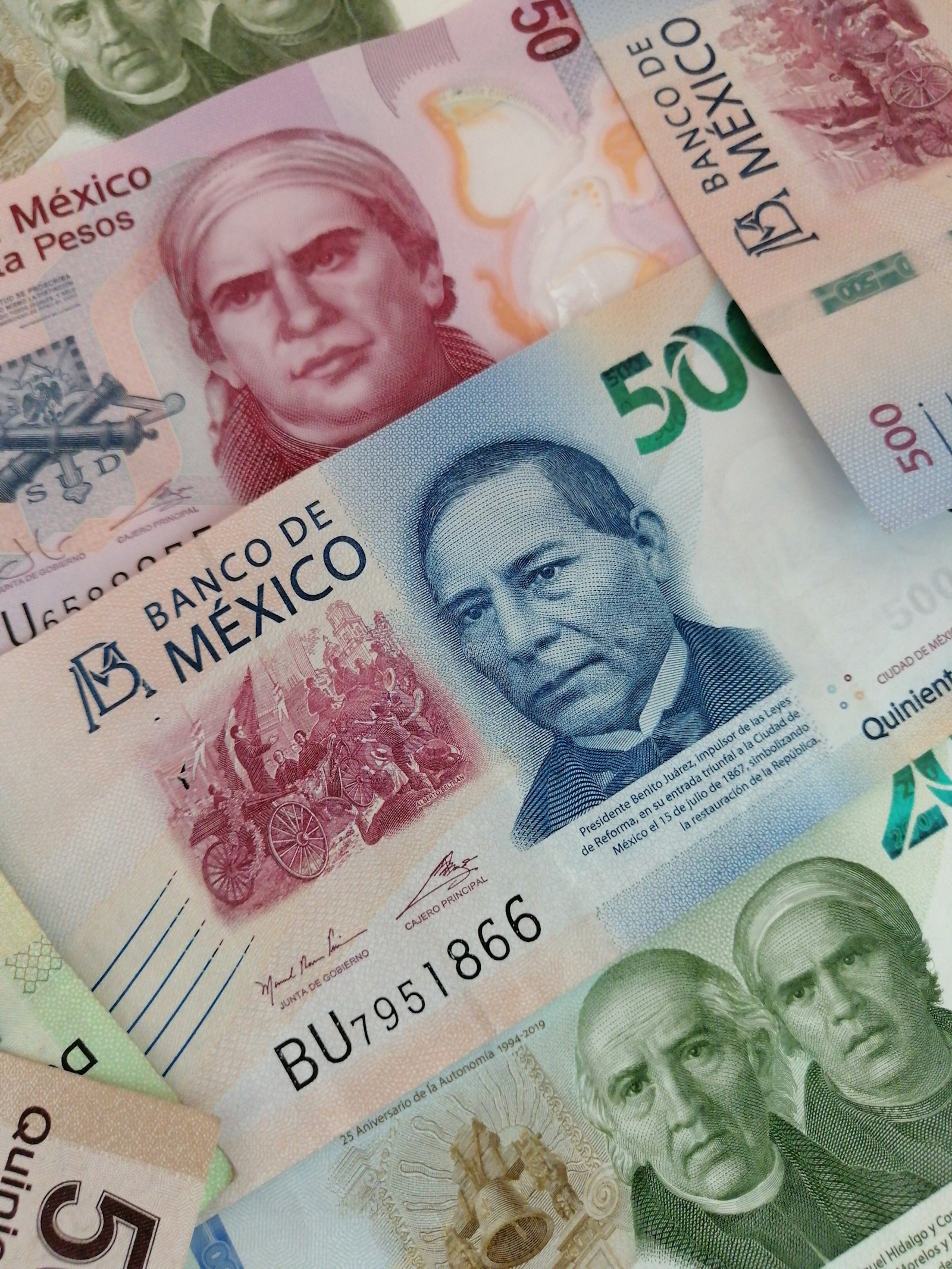
A tip if you go: a lot of the small places in Puerto Vallarta are cash only, so carry pesos.
Now the other side of it. The Zona Romántica is noisy late into the night, the streets are cobbled and steep once you head uphill, and there's traffic. It also has plenty of American and Canadian retirees, so don't picture a place with no other visitors. If you want quiet, you won't love staying right in it.
Bottom line: if walking out to a different great dinner every night is your idea of a vacation, book Puerto Vallarta and don't feel bad about it.
Swimming, and What the Water Looks Like
Puerto Vallarta is the better place to get in the ocean. Cabo is the better place to look at it.
The bay at Puerto Vallarta is big and sheltered, so the swell loses a lot of its punch before it reaches the sand, and most beaches are swimmable on most days. The water is warmer too. In winter and spring it's in the mid to high 70s, and Cabo's is about 71°F from February to April. That's the difference between walking in without thinking about it and standing at the edge talking yourself into it.
Cabo is the opposite deal. Deep water comes close to shore, the waves break hard on steep sand, and most hotel beaches are flagged against swimming. There are four beaches I count on, and I've ranked them in the best swimmable beaches in Cabo. If you pick Cabo and the ocean matters to you, choosing a hotel on one of them is the whole game, and those hotels are in where to stay in Cabo.
What nobody tells you about Puerto Vallarta is the color. The water in town is green on a good day and brown near the river mouths in the rainy season. It's that way for the same reason the hills are so green: rivers run out of the mountains into the bay. Cabo is a desert with no rivers, and you can see the bottom. If you're picturing turquoise in PV, you will be disappointed. The town beach, Los Muertos, is convenient and fun and lined with restaurants, with vendors coming by every few minutes, and as a beach it's pretty average.
The clearer water is at the two ends of the bay. South of town there's a string of small coves toward Mismaloya, which is the nicest swimming near the city. Out at Punta Mita, on the northwest tip, the water is noticeably bluer. It's swimmable, but I wouldn't call it calm.
A few things I'd do on the Puerto Vallarta side:
- Read the flags. A sheltered bay still gets red-flag days, and the colors mean the same thing they mean in Cabo.
- Skip the river mouths. The beach where the river comes out between the center and the Zona Romántica has a record of failing water-quality tests, and anywhere near a river is worse after heavy rain.
- Take the crocodile signs seriously. More on that in the safety section.
Neither place gets sargassum, since they're both on the Pacific side. And neither one is the Caribbean. If warm turquoise water in front of your hotel is the thing you want most, that's a different coast, and I compare it in Cabo vs Cancún.
Bottom line: if you want to float in front of your hotel in February, book Puerto Vallarta. If you want to sit and stare at clear blue water and granite, book Cabo.
The Weather, and Why the Month Decides It
In winter you could barely tell them apart. In summer they're completely different trips.
From mid-November to May both are sunny and dry, with days around 80°F. Puerto Vallarta's evenings are milder, in the low 60s, while Cabo's drop to the high 50s and I pack a sweatshirt for dinner. So in those months the weather is close to a tie, and the choice comes down to everything else in this post.
Then the rain arrives. Cabo gets rain on about 14 days a year. Puerto Vallarta gets it on about 70, and nearly all of that falls from June to September. From July to September it rains roughly every other day. It usually comes as a thunderstorm late in the afternoon, so the mornings are often fine, but the sky is cloudy most of the time and the air is thick every single day. The bay goes brown near the rivers. On the thermometer PV is actually a few degrees cooler than Cabo in summer, around 90°F to Cabo's mid 90s, and it feels much stickier.
Humidity is the quieter difference. Cabo is dry for most of the year and only turns humid from July to early October. Puerto Vallarta starts feeling sticky in late spring and stays that way into December. If humid heat ruins a trip for you, that's a real point for Cabo in almost any month.
So here's how I'd sort the calendar:
- December to April: Puerto Vallarta, unless you have a Cabo-only reason. March is the funny one. It's Cabo's most expensive month with its coldest water, and it's about the best weather PV gets all year.
- May: close. PV for the warmer water, Cabo for the drier air.
- June and early July: Cabo. It's dry and quiet, and PV's rains have started. The catch is that Cabo's ocean is still only about 74°F in June while PV's is already in the mid 80s, so each place has the thing the other one wants.
- Mid-July to September: I wouldn't pick either for a big trip. If you have to, Cabo has the sun and the clear, warm water, and PV has the lower prices and the greenest hills you'll ever see.
- Late October into November: Cabo first, by a little. The storms are done, the ocean is around 80°F and the air has dried out, while PV is still drying off. By the second half of November they're both lovely, with warmer water in PV and clearer water in Cabo.
The Cabo side of all this, month by month, is in the best time to visit Cabo.
Puerto Vallarta Is Really Four or Five Places
This is the mistake I'd most like to save you from. A hotel listed under "Puerto Vallarta" can be a jungle cove half an hour south of town, or a gated resort strip in a different state half an hour north. Check the map before you book anything.
Here's how I think of the pieces:
- The Zona Romántica and the center. This is the reason to choose PV. You walk to everything. It's loud, hilly and on the town beach.
- The Hotel Zone and the Marina. Big older hotels with a wider beach and a short ride into town. The Marina sits next to an estuary, which matters for the crocodile advice later on.
- The south shore. Small coves, clearer water and jungle, anywhere from about 15 to 40 minutes from town.
- Nuevo Nayarit. All-inclusive country, just over the state line. It has a long, wide, flat beach that's great for walking and for kids playing at the edge, and nothing at all outside the resort gates. The waves can be bigger than you'd expect.
- Punta Mita. The luxury peninsula, with golf and the clearest water on the bay. It's about 50 minutes from the airport and more than an hour from the old town.
- Sayulita and San Pancho. Surf towns up the coast and outside the bay. That's a different trip.
So the second flip in my answer is this. Puerto Vallarta's big advantages belong to the people staying in or near the city. A week at an all-inclusive in Nuevo Nayarit is a gate, a huge pool, a wide beach and maybe one ride into the old town. That's very close to a week on Cabo's Corridor, with a beach you can use and water that isn't blue. Once you're in that territory, I'd decide on weather, water and price, and forget the town.
Cabo has its own version of this problem, and the two towns are less alike than they look. I sort that out in Cabo San Lucas vs San José del Cabo.
What It Costs
Puerto Vallarta is noticeably cheaper, mostly on food, taxis and mid-range hotels. Where it isn't cheaper is the big all-inclusives, and people get this part wrong all the time.
In town the gap is easy to see. A nice room in the Zona Romántica runs around US$120 a night, and in the slow season you can find a beachfront hotel in the old town for under US$100. A room in a walkable part of Cabo is more like US$190 to $300 in the shoulder months. The city bus in PV is about 14 pesos, which is under a dollar, and a ride across town on Uber or DiDi is usually under US$12. In Cabo there are no meters, a short taxi hop is US$10 to $15, and a ride between the two towns is US$50 to $70.
The airport ride is the biggest single difference. In Puerto Vallarta it's about US$15 to $35 to most hotels. In Cabo a private car to Cabo San Lucas is US$90 to $110.
Then book the same thing in both places and watch the gap close. When I lined up the same big all-inclusive brands, the rates came out level or within about 15%, and one brand was actually higher on the Vallarta side. Flights from the US average about the same to both. Tax adds roughly a fifth to the room either way. And Punta Mita is priced like Cabo's top hotels, so don't go there expecting a discount.
For Cabo, I'd plan on about US$450 to $800 a day for two on a comfortable trip, with the room, food, rides and a couple of boat trips in it. The full breakdown is in how much Cabo costs.
Bottom line: PV is cheaper because it's a city with city prices a few blocks from the beach. If you were going to book a big all-inclusive either way, don't let price pick the destination.
All-Inclusives and the Top Hotels
For an all-inclusive, the Vallarta side gives you more choice, a lower starting price, and usually a beach you can actually get into. That last one is the difference that matters.
Take the big family all-inclusive that Hyatt runs in both places. It costs about the same in each. In Cabo its beach is flagged against swimming. In Puerto Vallarta it sits on its own cove south of town. Or Grand Velas, which is a wonderful hotel in both places and about a third cheaper in Nuevo Nayarit than on Cabo's Corridor.
Cabo's best all-inclusives are very good hotels, and they cost more for it. They mostly sell you a pool and a view, and a dinner out starts with a paid ride. If that's the week you want, I've ranked them in the best all-inclusive resorts in Cabo.
One funny wrinkle is that the wristband is harder to justify in Puerto Vallarta proper. If you're in the Hotel Zone, you're a few dollars by app from a couple hundred restaurants, and it would be a shame to eat every meal at the buffet. Up in Nuevo Nayarit, where there's nothing outside the gate, it makes a lot more sense.
At the very top, Cabo wins on depth. It has roughly twice as many true luxury hotels, with rooms from about US$900 to $1,400 a night in the low season and US$1,600 to $2,900 in winter, before roughly a third more in tax and service. The Vallarta side has serious ones too, with a Four Seasons and a St. Regis at Punta Mita and a One&Only and a Rosewood farther up the coast, and the Four Seasons runs about US$950 to $2,200 a night depending on the season. So it's the same money. What Punta Mita has that most of Cabo's top hotels don't is a sea you can swim in. What it doesn't have is anything nearby. A week at Punta Mita is a week at Punta Mita, and you won't be popping into the old town for tacos.
If a hotel to remember is the point of the trip, I'd still send you to Cabo, and I'd start with the best luxury resorts in Cabo.
Getting There and Getting Around
From the US West and Texas the flights are close to a tie, so I wouldn't let them decide anything. Los Angeles is about two and a half hours to Cabo and about three to Puerto Vallarta. Cabo has more nonstops a day from the US. Puerto Vallarta has far more from Canada, from a lot more cities, so if you're Canadian it's probably the easier one to reach. PV is also an hour ahead of Cabo, on Chicago's winter clock.
Where Puerto Vallarta pulls ahead is after you land. The airport is in the city. The Marina is about ten minutes away, the Hotel Zone about fifteen, and the Zona Romántica about 20 to 30 depending on traffic. In Cabo it's 45 minutes to an hour to Cabo San Lucas. On a four-night trip from LA, you'll be at a table on the beach sooner in PV, even with the longer flight. The exceptions are Punta Mita, at about 50 minutes, and Sayulita, at about an hour.
Here's my tip for the PV airport. There's a footbridge over the highway right in front of the terminal, and the city taxis on the far side charge about half the airport taxi rate. As for Uber, you may read that it now picks up inside the terminal. I wouldn't count on that. You can use it from the airport, but expect to walk out to the road to meet your driver. Cabo is the same story, and I go through that arrival door by door in my Cabo airport guide.
Both airports send you down a hallway of timeshare salespeople between customs and the exit. It works the same way at each. Don't stop, don't answer "where are you staying?", and remember that your real driver is outside.
Once you're settled, PV is far easier and cheaper to move around, with buses, three ride apps and short distances. Just keep in mind how big the bay is. From the south shore to Punta Mita is the better part of two hours by road.
What There Is to Do
Whales are a tie, which surprises people who assume they're a Cabo thing. They're the same humpbacks in the same weeks, and January and February are the best months in both. The boats cost about the same too, roughly US$70 to $110. Cabo's season runs longer, from mid-December to about mid-April, while the operators in PV sell trips from around the second week of December to late March. So for a late March or April trip, Cabo is the one. I compare the boats in whale watching in Cabo.
Fishing goes to Cabo and it isn't close. It's one of the few places a first-timer can hook a marlin near port, something is biting all year, and a half-day in a small boat is US$215 to $350. The half-day boats I've seen listed in Puerto Vallarta start around US$550. Everything about booking one is in sport fishing in Cabo.
Golf goes to Cabo too. It has about 18 courses and winters with almost no rain. PV has good courses, but only a handful, and the two at Punta Mita are for resort guests. The ones a visitor can book in Cabo are in the best golf courses in Cabo.
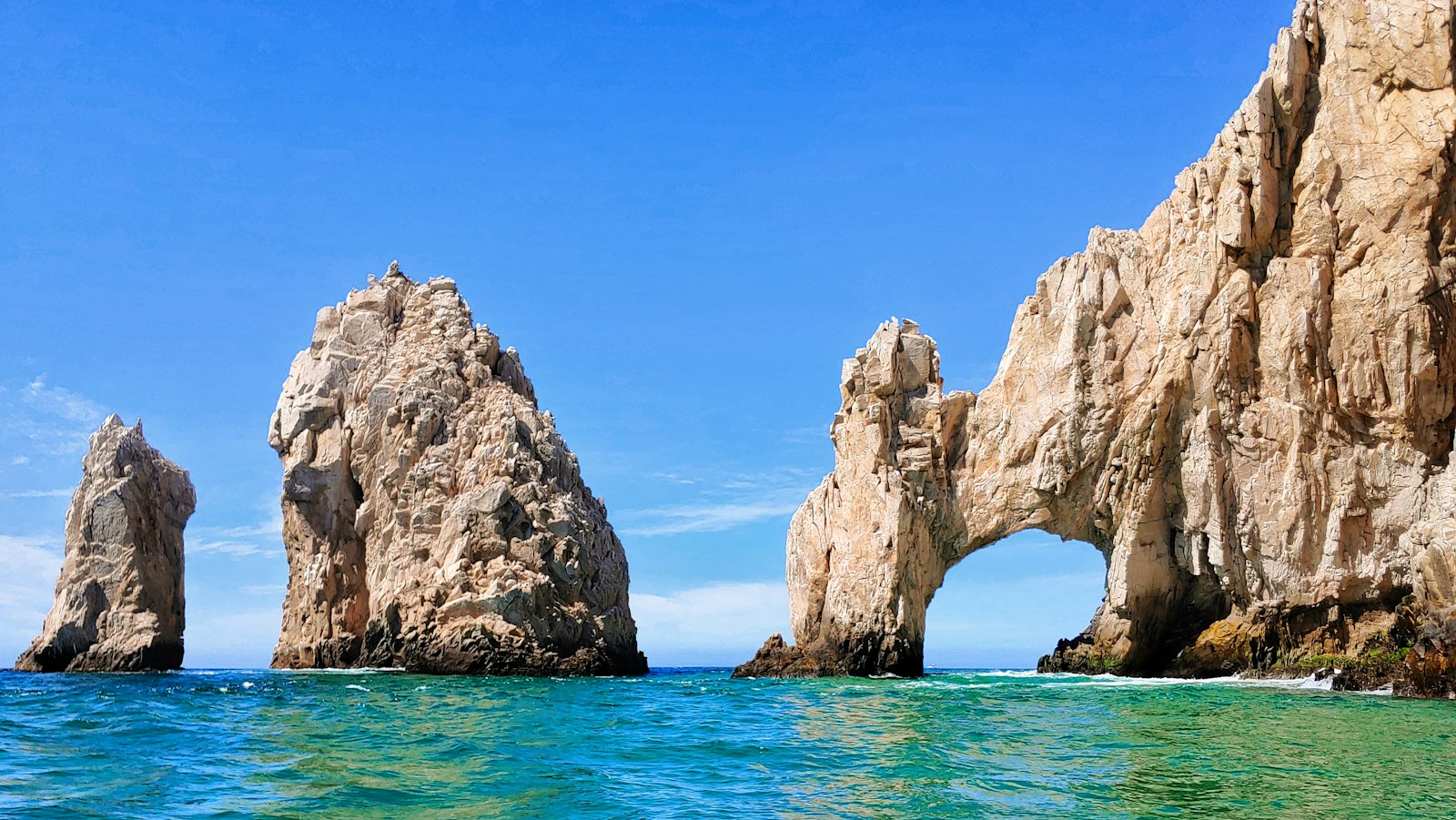
The signature boat trips are very different. Cabo's is the Arch, and you can walk up and take a water taxi for about US$20. Puerto Vallarta's is the "hidden beach" at the Marietas Islands, the one from the photo with the hole in the rock. Only about a hundred people a day are allowed in, on licensed boats, and a trip that includes it runs somewhere around US$120 to $240. Most tours sold as "Marietas" don't go into the hidden beach at all. They snorkel and land somewhere else on the islands. So ask that exact question before you pay.
What PV has that Cabo can't offer is the jungle. There are ziplines, river hikes, and little beach villages like Yelapa that you can only reach by boat. The water taxi there is roughly US$13 to $30 round trip depending on where you board, and I wouldn't plan on the last boat back, because it fills up.
For a small-town day out, it's a matter of taste. From Cabo it's Todos Santos, about an hour away, which is calm and pretty and has no swimming in town, and I cover it in my Todos Santos day trip. From PV it's Sayulita, also about an hour, which has a beach you can swim at. It hasn't been a sleepy fishing village for a long time. It's a busy, pricey surf town, and it has had water-quality problems on and off.
Snorkelers and divers should lean toward Cabo, narrowly, for the clearer water and for the reef at Cabo Pulmo a couple of hours away. And what I'd do with a Cabo week is all in things to do in Cabo.
Nightlife, and Who Each One Suits
Puerto Vallarta has more places to go out and more kinds of night. There are big clubs along the Malecón, bars and live music all through the Zona Romántica, and quieter drinks at the Marina. Cabo's nightlife is a few blocks and one end of one beach. That makes it a tighter, easier long weekend for a group, and more of a party, with US-priced drinks. I'd call it PV for range and Cabo for a bachelor or bachelorette weekend where nobody wants to plan. My picks are in Cabo nightlife. And keep in mind that Cabo San Lucas is a full-on spring break town in March.
For gay travelers, it's Puerto Vallarta, and I don't have to think about it. It's one of the main gay destinations in Mexico. The Zona Romántica has a couple dozen gay bars and clubs, gay hotels, beach clubs on its own stretch of the town beach, and a big Pride week in May. Cabo is welcoming, and same-sex couples go unremarked at the resorts, but there's no scene to speak of.
For families with kids under about eight who want to be in the ocean, I'd also say the Vallarta side. The water is warmer and gentler, the family all-inclusives start cheaper, and the airport ride is short. If your family is set on Cabo, stay at the middle of Médano, at Palmilla or at Chileno, because those are the gentle beaches, and know that the water is cold from February to April. For a week that's really about a pool and a kids' club, it's a draw, and I'd let price decide. The Cabo version is in Cabo with kids.
One more thing about the feel. Most of the people on vacation around you in Puerto Vallarta are Mexican, and the menus are in pesos. Cabo's crowd is mostly from the US, and the prices are in dollars. I love Cabo and I'd still tell you PV is the more Mexican trip of the two.
Storm Season
Call this one even. Both are on the same Pacific hurricane season, which officially runs from mid-May to the end of November, and both have been hit.
You'll hear that the mountains protect Puerto Vallarta from hurricanes. I wouldn't lean on that. A Category 4 hurricane came ashore just south of the city in October 2023, and the storms that have come close have nearly all arrived between late August and late October. That's the same window as Cabo, where a hurricane has reached the resorts about one year in four.
What an ordinary storm costs you is a little different. In Cabo it's usually the port closing for days, which cancels every boat trip at once. In Puerto Vallarta it's more often flooded streets and swollen rivers in the neighborhoods inland of the hotels.
September is the cheapest month in both, and that's why. If you book either one for September or early October, buy travel insurance the day you book and pick a rate you can change. I go through the real odds and what a booking should cover in Cabo hurricane season.
Safety
I'd go to either one, and I'd tell a friend the same. But they aren't rated the same, and you should know the facts before you choose.
As I write this, the US advisory has Jalisco, the state Puerto Vallarta is in, at "reconsider travel", and Baja California Sur one tier lower at "exercise increased caution". That sounds like a big gap. Read a little further and the same advisory places no restriction on US government staff visiting Puerto Vallarta or the resort coast just north of it. Nayarit, the state that coast is in, has lately been in the same tier as Baja California Sur, though it has moved before. Canada and the UK don't include Puerto Vallarta or Los Cabos in their regional warnings. Advisories change without notice, so check the current advisory for the state you're going to before you book, and again the week you fly.
In February 2026, cartel-related unrest across Jalisco reached Puerto Vallarta for a couple of days. Vehicles were burned, flights were canceled and visitors were told to stay in their hotels. It passed quickly, and the city reopened within days. Los Cabos wasn't touched by that, and it still isn't a place where nothing happens. Organized-crime violence exists in Baja California Sur too. It rises and falls from year to year, it's mostly in working neighborhoods inland of both towns, and on rare occasions bystanders have been hurt, including on a main road.
So the fair summary is that Cabo has the cleaner record and the lower advisory, and Puerto Vallarta is not a place governments tell their own people to stay away from. If "reconsider travel" is a dealbreaker for you or for the person you're traveling with, book Cabo and enjoy your trip. If you read what the level actually restricts, you'll find it restricts nothing in the resort area.
In both places the ocean is the hazard I'd take most seriously, and red flags mean what they say. Puerto Vallarta adds one thing Cabo doesn't have. Crocodiles live in the estuaries and river mouths around Marina Vallarta and Nuevo Nayarit, and they turn up on the beaches next to them, more often in the rainy season. Obey the signs, and don't swim or wade near an estuary at dusk or after dark.
There's also a US consular warning about visitors in Puerto Vallarta and Nuevo Nayarit being kidnapped and held for ransom after meeting someone through a dating app. That applies to anyone using the apps. Meet in a public place and tell someone where you're going.
And then there's timeshare. The pressure at the airport and on the street is the same at both, and the "free" tour or tequila tasting is a sales presentation in either one. I do the math on that trade in my post on the Cabo timeshare presentation. The Vallarta area is also known for resale and "exit" fraud aimed at people who already own a timeshare, usually by phone once they're back home. The rule that covers it is simple. Never pay anyone an upfront fee to sell or rent out a timeshare.
For Cabo's own risks, in the order they're likely to affect you, read is Cabo safe.
The Verdict
These are two good trips that suit different people, and I'm not going to name one winner. I'd be wrong for half of you.
If you told me nothing except that you're going between December and April, I'd send you to Puerto Vallarta, to a hotel in or near the old town, and I wouldn't feel disloyal. You'll swim in the ocean, eat really well for not much money, and walk everywhere. If you told me June or early July, or said the words fishing, golf, humidity or honeymoon suite, I'd send you to Cabo. And if the advisory is going to sit in the back of your mind all week, Cabo is the easy call.
The one thing I'd ask you not to do is book "Puerto Vallarta" for the town and end up behind a gate 45 minutes away from it.
| Pick Puerto Vallarta if | Pick Cabo if |
|---|---|
| You want to walk to dinner in a real city | A resort, or one of two small towns, is enough |
| You want to swim in the ocean in winter | You're happy in a pool, or you'll book a swimmable beach |
| You're going between mid-November and May | You're going in June, early July or late October |
| You're watching what you spend on food, rides and the room | You're fine with US resort-town prices |
| You don't mind green water and a noisy, hilly town | You want clear water and dry air |
| You want jungle, ziplines and boat-in beach villages | You want desert, granite and the Arch |
| You want a gay scene | You want a compact party weekend |
| You have small kids who want the ocean | You're coming to fish or play golf |
| You're flying from Canada | You want the deepest list of luxury hotels |
| You've read what the advisory restricts and you're comfortable | You'd rather have the lower advisory level |
If Cabo wins, the next thing to settle is which month and which beach, and both of those matter more there than they do in PV.
And here's how I'd text it to a friend: winter and you like to eat and swim, Puerto Vallarta, stay in the old town. Summer starting, or you want dry heat, clear water, marlin or a fancy hotel, Cabo, and plan on the pool. All-inclusive either way, pick on price and weather. Skip September at both.
Quick Answers
Is Cabo or Puerto Vallarta better? Puerto Vallarta is better for a walkable town, food, value, easier ocean swimming, jungle scenery and gay travelers. Cabo is better for dry weather, clear water, dramatic scenery, fishing, golf, luxury hotels and a lower US advisory level.
Which is cheaper, Cabo or Puerto Vallarta? Puerto Vallarta, noticeably, mostly on food, taxis and mid-range hotels. At the same big all-inclusive brands the two cost about the same, and Punta Mita is priced like Cabo's top hotels.
Can you swim in the ocean in Puerto Vallarta? Yes, at most beaches on most days, because the bay is sheltered. Read the flags, stay away from river mouths, and obey the crocodile signs near the estuaries at the north end of the city.
Which has warmer water? Puerto Vallarta in winter and spring, when it's in the mid to high 70s and Cabo is about 71°F. By late summer both are in the mid 80s.
Which has better weather? Cabo. It rains on about 14 days a year there and about 70 in Puerto Vallarta, nearly all from June to September. In winter both are sunny and around 80°F, and PV's evenings are milder.